English
 Arabic
 French
 Spanish
 Portuguese
 Deutsch
 Turkish
 Dutch
Dutch
 Italiano
 Russian
 Romaian
 Portuguese (Brazil)
 Greek
Greek

Reliable Flowers Delivery in Islamabad by Islamabad Flower Shop
Other |
2025-08-03 18:17:08
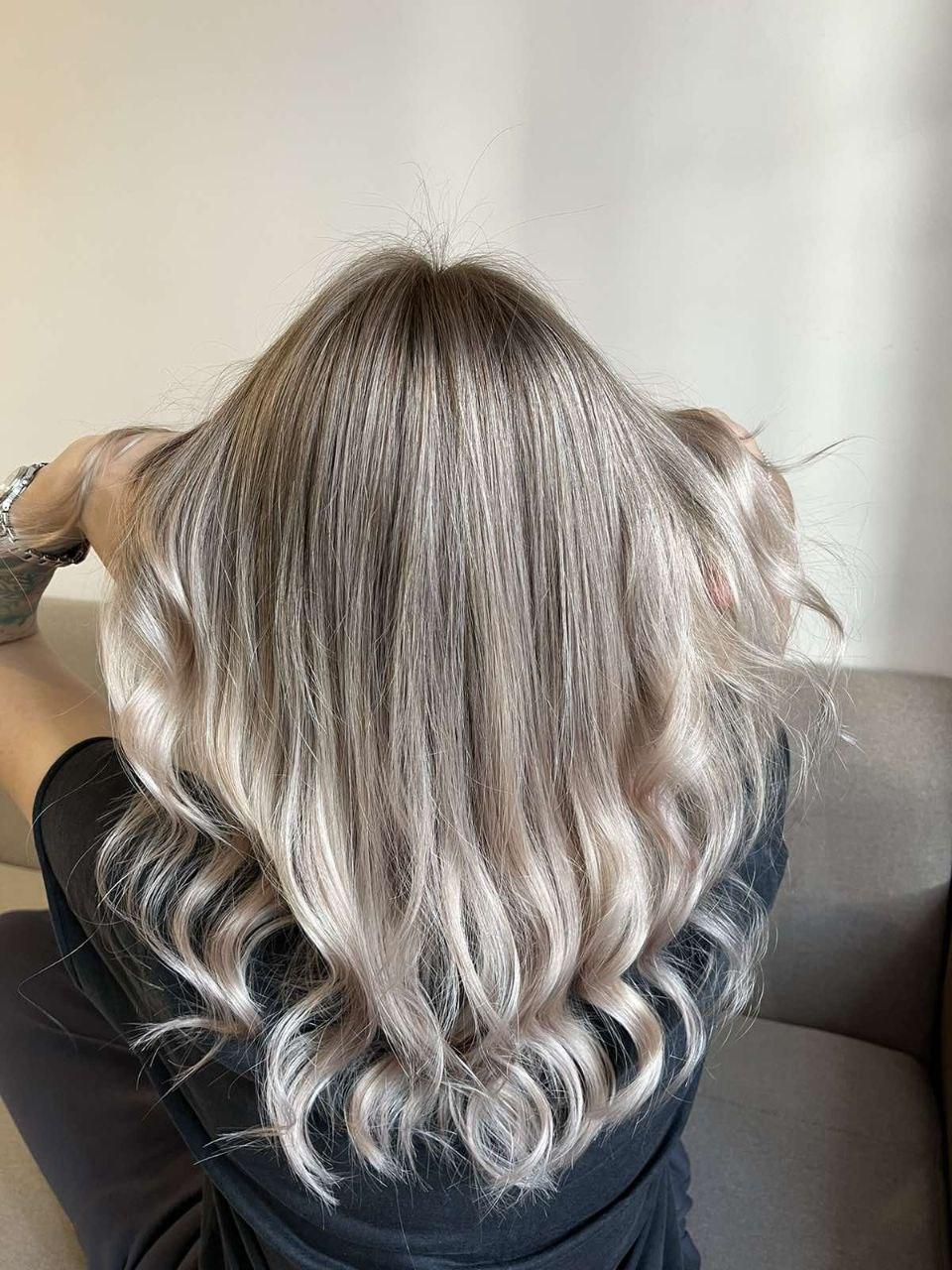
In the ever-evolving world of beauty, hair coloring has taken center stage as both a science and an art form. More than just a way to cover grays or enhance natural hues, hair coloring has become a powerful medium for personal expression and style. From soft, natural tones to bold, statement-making shades, today’s trends in hair coloring offer endless possibilities for those looking to transform their look.
Whether you’re considering a subtle change or a complete makeover, understanding the various techniques and trends in hair coloring can help you make the right choice for your hair and lifestyle.
1. The Evolution of Hair Coloring
Hair coloring dates back thousands of years, with ancient civilizations using plant-based dyes, such as henna, to change the color of their hair. Today, the industry has advanced dramatically, offering a vast array of products and techniques that cater to different needs. From permanent dyes to semi-permanent glosses, the science behind hair coloring ensures that modern formulas are safer, longer-lasting, and more versatile than ever before.
2. Popular Hair Coloring Techniques
There are several popular hair coloring techniques used by professionals, each offering a unique look and catering to different preferences.
Balayage: This freehand painting technique creates a soft, sun-kissed look by applying color where the light would naturally hit the hair. It’s a low-maintenance option, as it grows out seamlessly without leaving harsh regrowth lines.
Ombre and Sombre: Ombre involves a gradual transition from a darker root to a lighter end, while sombre offers a softer, more subtle version of the same effect. Both styles offer a modern twist on traditional hair color and are popular for their versatility.
Highlights and Lowlights: Highlights add dimension by lightening sections of hair, while lowlights do the opposite by darkening specific strands. These techniques can be customized to enhance natural hair color or create dramatic contrasts.
Fashion Colors: Bright, bold colors like pink, blue, and purple have become increasingly popular, especially among younger generations. Achieving these vibrant shades often requires pre-lightening and expert application to ensure even coverage and long-lasting results.
3. The Science Behind Hair Coloring
At the heart of every successful hair color transformation lies the science of color theory. Professional colorists understand how to mix and match shades to complement a client’s skin tone and natural hair color. They also take into account factors like hair texture, porosity, and condition, ensuring that the chosen color not only looks good but also maintains the health of the hair.
Permanent hair color involves opening the hair’s cuticle and depositing color deep within the hair shaft. This process can be drying or damaging, so professional stylists often use treatments and conditioners to protect the hair. Meanwhile, semi-permanent and demi-permanent colors coat the surface of the hair and gradually fade over time, making them less invasive options for those looking for a temporary change.
4. Trends in Hair Color
Hair color trends are constantly evolving, driven by fashion, pop culture, and technological advancements. Some of the hottest trends in hair color for 2024 include:
Lived-In Blonde: A more natural, low-maintenance take on platinum blonde, this style incorporates darker roots and softer blonde hues for a more wearable, everyday look.
Pastel Hues: Soft, pastel colors like lavender, mint green, and blush pink are in high demand, offering a delicate, ethereal look. These shades require expert care to maintain their vibrancy, as they tend to fade faster than more traditional colors.
Copper and Auburn: Rich, warm tones like copper and auburn are making a comeback, especially for fall and winter. These shades add warmth and dimension to the hair, complementing a wide range of skin tones.
Glossing and Glass Hair: Gloss treatments are gaining popularity for their ability to enhance natural color while adding shine and smoothness to the hair. Paired with a sleek, straight style, the result is the coveted “glass hair” look.
5. The Importance of Professional Application
While DIY hair coloring kits are widely available, visiting a professional colorist is often the best choice for achieving high-quality, lasting results. Professional stylists have access to advanced products and tools that ensure even application, correct color matching, and minimal damage to the hair.
Moreover, color correction is a specialized service offered by many salons. If a previous color job has left you with uneven tones or unwanted shades, a professional can restore balance and create a harmonious result. This level of expertise is difficult to achieve at home without the right knowledge and training.
6. Aftercare: Keeping Your Color Fresh
Maintaining vibrant, healthy-looking color requires proper aftercare. Professional stylists recommend using color-safe shampoos and conditioners, as well as treatments that nourish the hair and lock in moisture. Regular touch-ups and toning treatments can also help extend the life of your color and keep it looking fresh between salon visits.
Limiting exposure to heat styling tools, UV rays, and harsh chemicals can prevent color from fading prematurely. For those with bold or pastel colors, regular conditioning treatments and hair masks are key to keeping the hair hydrated and maintaining color vibrancy.
Conclusion
Hair coloring is an exciting way to express individuality, refresh your look, or try something new. With the wide range of techniques and colors available, there’s no limit to what you can achieve with professional hair coloring. Whether you’re opting for a subtle change or a dramatic transformation, the key to beautiful, healthy hair lies in choosing the right color, technique, and aftercare.