English
 Arabic
 French
 Spanish
 Portuguese
 Deutsch
 Turkish
 Dutch
Dutch
 Italiano
 Russian
 Romaian
 Portuguese (Brazil)
 Greek
Greek

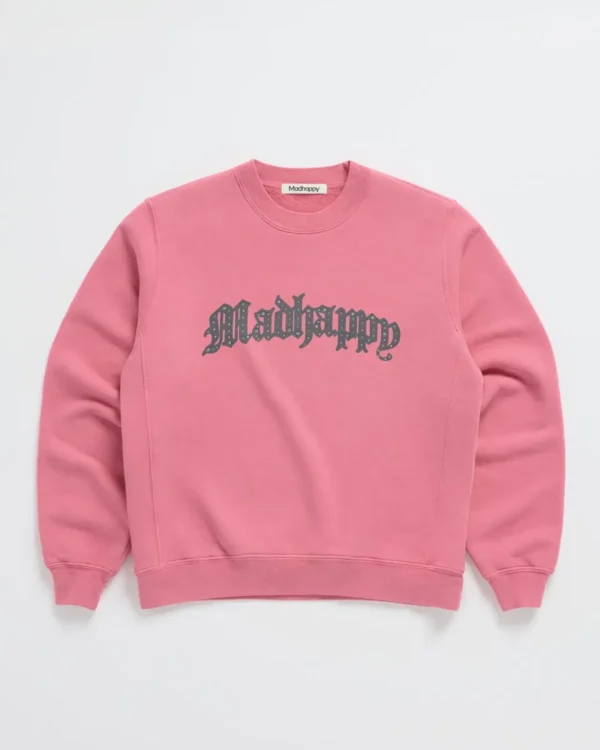
The Rise of Madhappy in Modern Streetwear
Shopping |
2025-06-23 06:29:45

Ed Hardy is a name that resonates with the world of fashion, particularly in the 2000s when the brand became synonymous with bold, tattoo-inspired streetwear. The origins of ed hardy jeans can be traced back to the artistic vision of Don Ed Hardy, a renowned tattoo artist who was born on January 5, 1945, in Costa Mesa, California. Hardy’s passion for art began at a young age, and he quickly developed a fascination with tattoos. After graduating from the San Francisco Art Institute with a degree in printmaking, Hardy pursued his love for tattooing, eventually becoming one of the most influential tattoo artists in the world. His unique style, which blended traditional American tattooing with Japanese influences, set him apart in the tattoo community. Hardy’s work was characterized by its intricate designs, bold colors, and deep symbolism, making his tattoos highly sought after. However, it wasn’t until the early 2000s that Hardy’s art would make the leap from skin to fabric, forever changing the landscape of streetwear fashion.
The Ed Hardy brand was born out of a collaboration between Don Ed Hardy and French fashion designer Christian Audigier. Audigier, known for his work with the brand Von Dutch, saw the potential in Hardy’s tattoo art and approached him with the idea of creating a fashion line that would feature his iconic designs. Hardy, intrigued by the possibility of bringing his art to a wider audience, agreed to the partnership, and in 2002, the Ed Hardy brand was officially launched. The concept was revolutionary at the time—merging the world of tattoos with fashion in a way that had never been done before. The brand’s clothing featured Hardy’s signature tattoo designs, emblazoned on everything from t-shirts and hoodies to jeans and accessories. The result was a bold, edgy, and highly distinctive style that quickly caught the attention of the fashion world. The launch of the Ed Hardy brand marked the beginning of a new era in streetwear, one that celebrated individuality, self-expression, and the rebellious spirit of tattoo culture.
The designs that made ed hardy sweatsuit famous were more than just clothing—they were wearable pieces of art. Each design was meticulously crafted, drawing inspiration from Hardy’s extensive body of tattoo work. The brand’s aesthetic was characterized by bold graphics, vivid colors, and intricate details, all of which were hallmarks of Hardy’s tattoo style. Common motifs included skulls, roses, tigers, and eagles, often accompanied by banners with phrases like “Love Kills Slowly” and “Death Before Dishonor.” These designs were not just visually striking; they also carried deep symbolic meanings, reflecting themes of love, death, and the human experience. The use of such powerful imagery made Ed Hardy clothing more than just a fashion statement—it became a form of personal expression, allowing wearers to showcase their individuality and attitude. The popularity of these designs quickly spread, making Ed Hardy a must-have brand for anyone looking to stand out from the crowd. The brand’s ability to turn tattoos into fashion statements was a key factor in its success, setting it apart from other streetwear brands of the time.
One of the most significant factors behind Ed Hardy’s meteoric rise in the 2000s was the endorsement of celebrities. The brand quickly became a favorite among A-list stars, including Madonna, Britney Spears, Paris Hilton, and David Beckham. These high-profile endorsements played a crucial role in bringing Ed Hardy into the mainstream, as celebrities were often seen wearing the brand’s clothing in public, on red carpets, and in music videos. The media coverage of these celebrities wearing Ed Hardy designs helped to create a buzz around the brand, making it a symbol of luxury, exclusivity, and edgy style. The association with celebrities not only increased the brand’s visibility but also solidified its status as a cultural phenomenon. The Ed Hardy brand became synonymous with the glitz and glamour of Hollywood, attracting a wide range of fans who wanted to emulate their favorite stars. The celebrity effect was a key driver of Ed Hardy’s success, helping the brand to dominate the streetwear scene throughout the 2000s.
Ed Hardy’s influence on streetwear fashion cannot be overstated. The brand’s bold, tattoo-inspired designs challenged the traditional norms of fashion, bringing a new level of creativity and self-expression to the forefront. Before Ed Hardy, streetwear was often associated with simple, understated designs, but the brand introduced a new aesthetic that was loud, bold, and unapologetically rebellious. This shift in style resonated with a generation that was looking for ways to express their individuality and stand out from the crowd. Ed Hardy’s designs became a symbol of this new attitude, encouraging people to embrace their uniqueness and wear their personalities on their sleeves. The brand’s success also paved the way for other tattoo-inspired fashion lines, as well as a greater acceptance of graphic art in mainstream fashion. Ed Hardy’s impact on streetwear was profound, helping to redefine what fashion could be and who it could represent. The brand’s influence can still be seen today, as streetwear continues to be a dominant force in the fashion industry.
Despite its initial success, the Ed Hardy brand eventually faced challenges that led to its decline. By the late 2000s, the brand had become so popular that its designs were everywhere, leading to a perception of overexposure. The widespread availability of Ed Hardy products, combined with the rise of counterfeit goods, diluted the brand’s exclusivity and appeal. Additionally, the association of Ed Hardy with certain subcultures and reality TV personalities—most notably the cast of “Jersey Shore”—contributed to a shift in public perception. The brand became synonymous with a flashy, ostentatious style that was increasingly seen as tacky and out of touch with evolving fashion trends. As consumer tastes changed and the fashion industry moved towards more understated and minimalist styles, Ed Hardy struggled to maintain its relevance. The brand’s decline highlights the challenges of sustaining success in the fast-paced world of fashion, where staying ahead of trends and maintaining a strong brand identity is crucial. The downfall of Ed Hardy serves as a reminder of the importance of adaptability in the ever-changing fashion landscape.
In recent years, there has been a renewed interest in the Ed Hardy brand, as fashion trends from the 2000s have experienced a resurgence. This revival has been fueled by a growing nostalgia for the era and a renewed appreciation for the bold, expressive designs that defined the Ed Hardy brand. The brand has sought to capitalize on this renewed interest by reintroducing some of its classic designs and collaborating with contemporary designers to create new collections. These efforts have been met with positive reception, particularly among younger generations who are discovering the brand for the first time. The revival of Ed Hardy highlights the cyclical nature of fashion, where trends from the past are often reinterpreted and reimagined for a new audience. It also underscores the enduring appeal of the brand’s core values: self-expression, individuality, and rebellion. The return of Ed Hardy to the fashion scene demonstrates the brand’s lasting influence and its ability to adapt to changing fashion landscapes. The resurgence of Ed Hardy is a testament to the brand’s enduring legacy and its continued relevance in the world of streetwear.
Although the popularity of the Ed Hardy brand waned in the late 2000s, its impact on fashion and popular culture is undeniable. The brand’s success in bringing tattoo art into the mainstream helped to redefine the boundaries of fashion, challenging traditional notions of style and self-expression. Ed Hardy’s designs paved the way for a greater acceptance of bold, graphic art in fashion, influencing a new generation of designers and fashion enthusiasts. The legacy of Ed Hardy can be seen in the continued popularity of tattoo-inspired fashion, as well as the ongoing influence of streetwear culture on the broader fashion industry. The brand’s story serves as a reminder of the power of innovation and the importance of staying true to one’s artistic vision in the ever-evolving world of fashion. While the brand may no longer be at the forefront of the fashion industry, its influence continues to be felt, ensuring that Ed Hardy’s place in fashion history remains secure. The legacy of Ed Hardy is one of creativity, rebellion, and the transformative power of art in fashion.
The success of the Ed Hardy brand was not just about the designs; it was also about the savvy business strategies that propelled it to the top of the fashion industry. Christian Audigier, the driving force behind the brand’s commercial success, was a master of marketing and branding. He understood the importance of creating a lifestyle around the brand, positioning Ed Hardy as more than just clothing—it was a statement, a way of life. Audigier’s marketing strategies included high-profile celebrity endorsements, strategic partnerships, and a strong presence in the media. He also leveraged the power of licensing, allowing the Ed Hardy brand to expand into a wide range of products, including fragrances, eyewear, and home goods. This extensive licensing strategy helped to increase the brand’s visibility and reach, making Ed Hardy a household name. However, the aggressive expansion also contributed to the brand’s eventual oversaturation and decline. The business side of Ed Hardy’s story is a complex one, highlighting both the opportunities and challenges of building a global fashion brand.
The story of Ed Hardy is a tale of creativity, innovation, and the power of art to transform fashion. From its origins in the tattoo parlor to its status as a global fashion phenomenon, Ed Hardy has left an indelible mark on the fashion industry. The brand’s bold designs and rebellious spirit captured the imagination of a generation, redefining what streetwear could be and inspiring countless imitators. While the brand faced challenges in maintaining its relevance, its impact on fashion and popular culture is undeniable. The resurgence of interest in Ed Hardy in recent years is a testament to the enduring appeal of its designs and the lasting influence of its founder, Don Ed Hardy. As fashion continues to evolve, the legacy of Ed Hardy will remain a significant chapter in the story of streetwear, reminding us of the power of self-expression and the timeless appeal of bold, creative design. The Ed Hardy brand may have risen and fallen, but its influence will continue to be felt for years to come, ensuring its place in the annals of fashion history.