English
 Arabic
 French
 Spanish
 Portuguese
 Deutsch
 Turkish
 Dutch
Dutch
 Italiano
 Russian
 Romaian
 Portuguese (Brazil)
 Greek
Greek

Immunotherapy Drugs Market 2030: Growth Driven by Chronic Disease Burden
Health |
2025-11-25 11:01:28
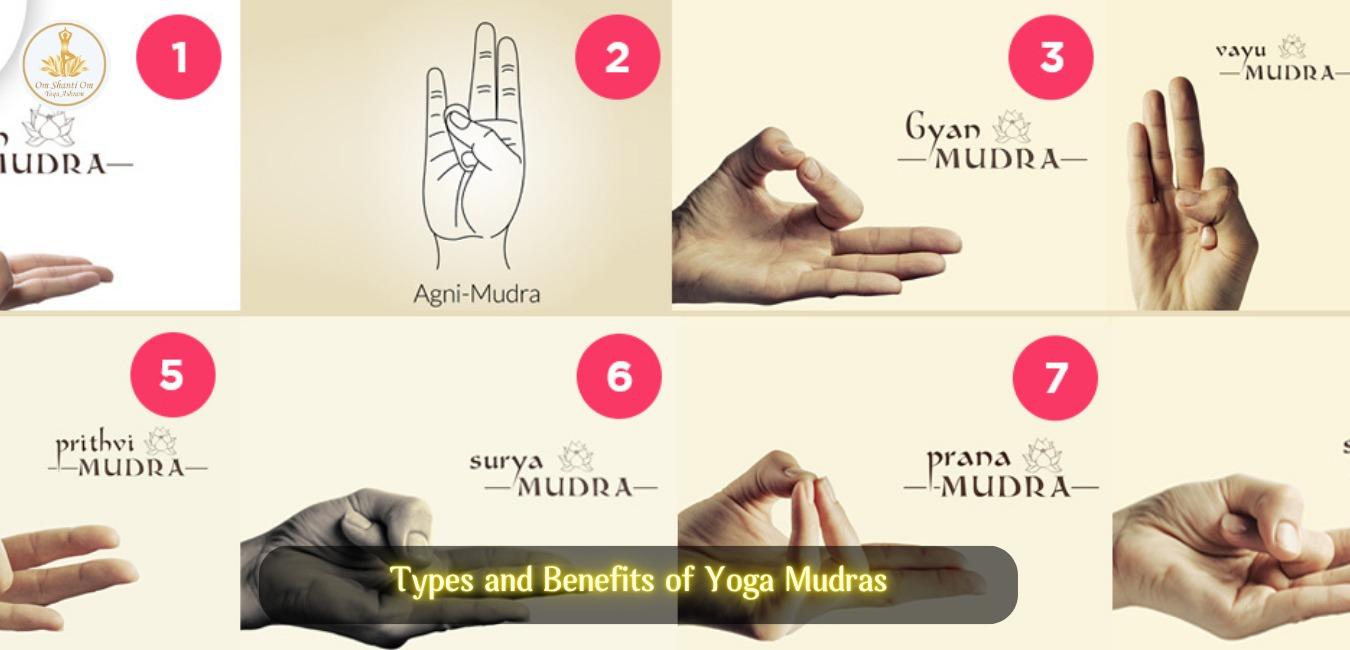
In the ancient practice of yoga, mudras are symbolic hand gestures or body positions that are believed to influence the energy flow within the body and deepen meditation. The Sanskrit word “mudra” translates to “seal” or “gesture,” and these gestures are often used in conjunction with asanas (postures), pranayama (breathing exercises), and dhyana (meditation) to enhance physical, mental, and spiritual wellbeing. There are many types of mudras in yoga, each with unique benefits and energetic effects. Practiced consistently, mudras can help balance the five elements—earth, water, fire, air, and ether—within the body, leading to improved health and inner peace.
Among the most well-known types of mudras in yoga are Jnana Mudra and Chin Mudra. These mudras are commonly seen in meditative poses and are associated with the development of wisdom and spiritual insight. In both gestures, the tip of the index finger touches the tip of the thumb, forming a circle, while the other fingers remain extended. The difference lies in the palm's orientation: in Chin Mudra, the palms face downward, grounding the energy, while in Jnana Mudra, the palms face upward, indicating receptivity. These yoga mudras are believed to activate the root chakra and promote mental clarity, concentration, and inner peace.
Prana Mudra is another powerful mudra in yoga that helps awaken and channel the body's life force energy or "prana." This mudra is performed by touching the tips of the ring finger and little finger to the tip of the thumb while keeping the other two fingers straight. Prana Mudra enhances vitality, boosts immunity, and strengthens the nervous system. Among the various types of mudras in yoga, Prana Mudra is particularly useful for those feeling fatigued or lacking in motivation. Practicing this mudra daily can lead to increased energy levels and improved mental alertness.
Known as the “Mudra of Digestion,” Apana Mudra is essential for detoxifying the body and supporting the digestive system. It is formed by touching the tips of the middle and ring fingers to the thumb while keeping the other two fingers extended. This yoga mudra stimulates the downward flow of energy, assisting in the elimination of waste and toxins. Apana Mudra is especially recommended for those suffering from constipation, bloating, or menstrual discomfort. As one of the grounding types of mudras in yoga, it also helps in calming the mind and balancing the lower chakras.
Vayu Mudra is designed to balance the air element in the body, which is closely related to movement and nerve impulses. It is performed by folding the index finger to the base of the thumb and gently pressing the thumb over it, while keeping the remaining fingers extended. This mudra is known for its ability to relieve joint pain, arthritis, and gas-related discomfort. Practicing Vayu Mudra regularly can lead to smoother joint mobility and reduced nervous tension. Out of all the types of mudras in yoga, Vayu Mudra is particularly effective for individuals experiencing stiffness, tremors, or restlessness.
Among the fire-enhancing types of mudras in yoga, Surya Mudra stands out for its ability to stimulate metabolism and promote weight loss. To perform this mudra, the ring finger is bent to the base of the thumb, which then presses it gently. This increases the fire element in the body, aiding digestion and fat metabolism. Surya Mudra is often recommended in yoga therapy for managing obesity, hypothyroidism, and lethargy. It also uplifts mental energy and improves focus, making it ideal for those who feel sluggish or mentally foggy.
Varun Mudra, the “Mudra of Water,” is one of the hydrating types of mudras in yoga that helps maintain fluid balance in the body. It is formed by gently joining the tip of the little finger with the thumb. This mudra increases the water element in the body and is highly beneficial for skin conditions, dryness, and dehydration. Regular practice of Varun Mudra promotes soft, glowing skin and enhances overall body fluid regulation. It is especially useful in dry climates or for individuals with a naturally dry constitution.
Understanding and practicing the different types of mudras in yoga can greatly enhance your holistic wellness journey. Each mudra serves a specific purpose and can be incorporated into meditation or breathing exercises to deepen the practice. Whether your goal is to calm the mind, detoxify the body, boost energy, or promote healing, there is a yoga mudra suited to your needs. By devoting just a few minutes each day to mudra practice, you can experience profound shifts in your physical, emotional, and spiritual health. Remember that consistency, mindfulness, and intention are key when working with these ancient yogic tools.