English
 Arabic
 French
 Spanish
 Portuguese
 Deutsch
 Turkish
 Dutch
Dutch
 Italiano
 Russian
 Romaian
 Portuguese (Brazil)
 Greek
Greek

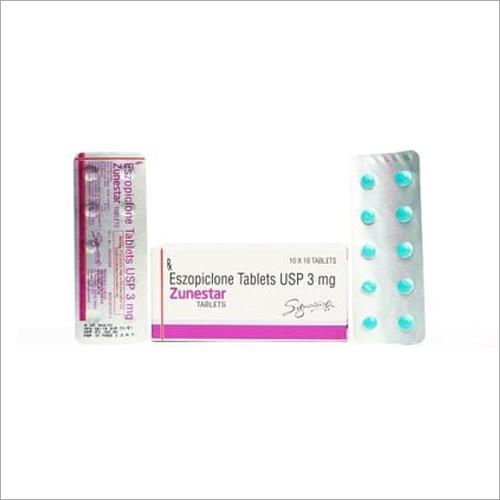
Introduction
Sleep is essential for mental clarity, physical health, and overall well-being. Unfortunately, millions of people struggle with insomnia or poor sleep quality. One of the most commonly prescribed medications for this condition is Lunesta 3 mg, a non-benzodiazepine sedative-hypnotic designed to help you fall asleep—and more importantly—stay asleep. But how exactly does it work in your brain? This comprehensive guide will uncover the science behind Lunesta 3 mg, detailing its mechanism of action, benefits, side effects, and more.
What Is Lunesta 3 mg?
Lunesta (generic name: Eszopiclone) is an FDA-approved prescription medication primarily used to treat chronic insomnia. Lunesta 3 mg is the highest available dose and is typically reserved for individuals with moderate to severe insomnia who do not respond to lower doses.
Unlike benzodiazepines, which have a high risk of dependency, Lunesta belongs to a class called cyclopyrrolones. These target specific receptors in the brain responsible for promoting relaxation and sleep without the "hangover" effect associated with older sedatives.
The Science: How Lunesta Works in the Brain
To understand Lunesta's effectiveness, we need to explore how it interacts with the brain:
1. GABA Receptors and Sleep Regulation
Lunesta enhances the action of gamma-aminobutyric acid (GABA), the brain's primary inhibitory neurotransmitter. GABA works by slowing down brain activity, which helps reduce anxiety, lower heart rate, and promote sleep.
2. Binding to GABA-A Receptors
Lunesta binds specifically to the GABA-A receptor subunits, enhancing GABA's natural effects. This action causes neurons to become less responsive to stimulation, allowing you to transition into a relaxed, drowsy state.
3. Onset and Duration
-
Onset of Action: Within 30 minutes
-
Peak Effect: 1 hour
-
Half-Life: 6-9 hours, depending on age and metabolism
This means Lunesta is effective not just for initiating sleep but also maintaining sleep throughout the night.
Benefits of Lunesta 3 mg for Sleep
-
Quick Sleep Induction: Helps you fall asleep faster.
-
Sleep Maintenance: Reduces nighttime awakenings and prolongs deep sleep.
-
Improved Sleep Quality: Increases time spent in non-REM and REM sleep.
-
Better Daytime Function: Leads to improved alertness, mood, and energy.
Ideal Candidates for Lunesta 3 mg
Lunesta 3 mg may be suitable if you:
-
Have chronic insomnia lasting 3+ months
-
Experience frequent nighttime awakenings
-
Have tried lifestyle changes and natural remedies without success
-
Do not respond to lower doses of eszopiclone
Always consult your healthcare provider before starting Lunesta 3 mg to determine if it’s appropriate for your condition.
Safe Usage Guidelines
To get the most out of Lunesta 3 mg while minimizing risks:
-
Take Immediately Before Bed: Only take when you can get a full 7-8 hours of sleep.
-
Avoid Alcohol and CNS Depressants: These can enhance side effects like drowsiness or slowed breathing.
-
Don’t Mix with Food: A heavy meal can delay its onset.
-
Do Not Drive After Taking It: Avoid operating machinery until the effects wear off.
Dosage Overview
| Dosage Strength | Ideal Use Case |
|---|---|
| Lunesta 1 mg | Initial treatment, elderly patients |
| Lunesta 2 mg | Mild to moderate insomnia |
| Lunesta 3 mg | Severe or treatment-resistant cases |
Side Effects and Risks
Like any medication, Lunesta 3 mg can cause side effects, including:
-
Daytime drowsiness
-
Metallic taste
-
Dizziness or lightheadedness
-
Headache
-
Dry mouth
Rare but Serious Risks:
-
Complex sleep behaviors (sleepwalking, driving, eating)
-
Allergic reactions
-
Memory issues
-
Depression or mood changes
Tolerance and Dependency
Lunesta 3 mg is not physically addictive in the same way as benzodiazepines, but psychological dependence may occur if used long-term. To reduce risk:
-
Use under strict medical supervision
-
Avoid daily long-term use unless directed
-
Taper off gradually if discontinuing
Interactions to Watch Out For
Lunesta can interact with:
-
Alcohol
-
Antidepressants (SSRIs, MAOIs)
-
Opioids
-
Antihistamines
-
Other sleep aids or anxiety meds
Discuss all current medications with your doctor to avoid harmful interactions.
Lifestyle Tips to Improve Lunesta’s Effectiveness
Pairing Lunesta 3 mg with good sleep hygiene enhances its results:
-
Stick to a consistent sleep schedule
-
Avoid caffeine late in the day
-
Create a calm, dark sleeping environment
-
Use Lunesta only when necessary to avoid tolerance
-
Include mindfulness or relaxation techniques before bed
Lunesta vs. Other Sleep Medications
| Medication | Class | Duration | Risk of Dependency | Notes |
|---|---|---|---|---|
| Lunesta 3 mg | Non-benzodiazepine | 7-8 hrs | Low to moderate | Great for staying asleep |
| Ambien | Non-benzodiazepine | 6 hrs | Moderate | Better for falling asleep |
| Sonata | Non-benzodiazepine | 4 hrs | Low | Good for middle-of-the-night wakeups |
| Benzodiazepines | Benzodiazepine | 8-12 hrs | High | Risk of dependence and hangover |
Conclusion: Is Lunesta 3 mg Scientifically Proven to Work?
Absolutely. Lunesta 3 mg works directly on the GABA system in your brain to reduce overactivity, calm your nervous system, and help you get a full night’s rest. While it is effective for many, it’s essential to use it safely, with guidance from a medical professional, and ideally alongside healthy sleep habits.