 English
 Arabic
 French
 Spanish
 Portuguese
 Deutsch
 Turkish
 Dutch
Dutch
 Italiano
 Russian
 Romaian
 Portuguese (Brazil)
 Greek
Greek

Liver Cancer Diagnostics Market Size Analysis Report, Share, Trends, Opportunities, Key Drivers and Growth Prospectus
Health |
2025-03-12 08:22:14
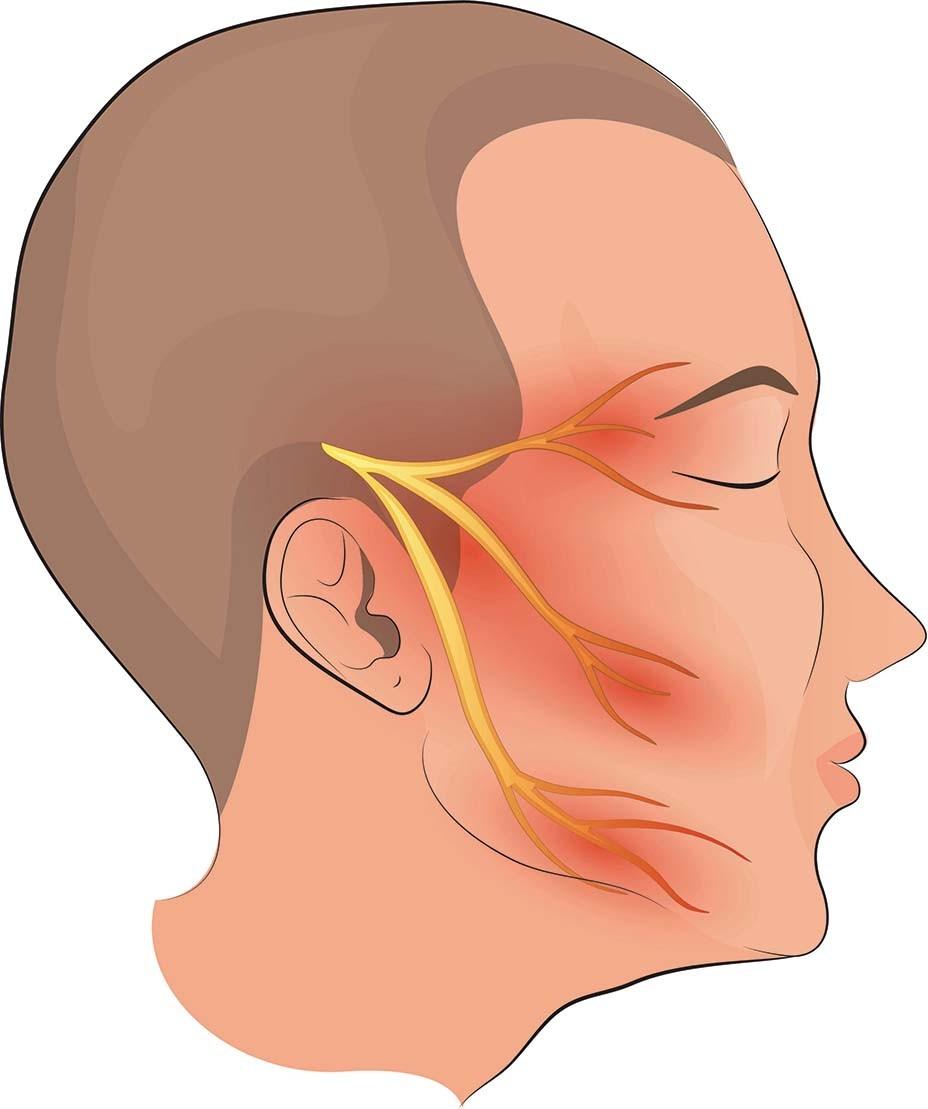
Trigeminal neuralgia is a debilitating condition characterised by sudden, severe facial pain. We, as experts in the field, understand the importance of providing accurate and detailed information about this condition to help individuals grasp its complexities and seek appropriate treatment. In this comprehensive guide, we delve into the intricacies of trigeminal neuralgia, covering everything from its symptoms and causes to diagnosis and management strategies.
Trigeminal neuralgia, also known as tic douloureux, is a chronic pain condition affecting the trigeminal nerve, which is responsible for sensation in the face. The pain associated with trigeminal neuralgia is often described as sharp, stabbing, or electric shock-like, and can be triggered by even mild stimuli such as touching the face, chewing, or speaking.
Prosoma 500mg is mostly formed of the active component carisoprodol. Carisoprodol is a muscle relaxant used to relieve muscular spasms and pain. It works by altering neuronal transmission in the central nervous system, which helps to relieve muscular discomfort and tension.
The hallmark symptom of trigeminal neuralgia is sudden, excruciating facial pain, typically unilateral and affecting one side of the face. Eating, brushing one's teeth, or even being in the presence of a light breeze can cause this pain. In addition to the intense pain, individuals with trigeminal neuralgia may experience muscle spasms in the face, as well as a constant underlying ache between episodes of acute pain.
While the exact cause of trigeminal neuralgia is not always clear, it is often attributed to compression or damage to the trigeminal nerve. This compression can result from various factors, including blood vessels pressing against the nerve, tumors, multiple sclerosis, or even injury to the nerve. Understanding the underlying cause of trigeminal neuralgia is crucial for determining the most effective treatment approach.
Diagnosing trigeminal neuralgia requires a thorough medical evaluation, including a detailed medical history and physical examination. Additionally, imaging studies such as magnetic resonance imaging (MRI) may be ordered to rule out other potential causes of facial pain and to visualise any structural abnormalities affecting the trigeminal nerve. proper diagnosis is essential for initiating appropriate treatment and managing symptoms effectively.
Prosoma 350mg is generally used as a muscle relaxant. Its primary element is carisoprodol, which acts by inhibiting pain signals between neurons and the brain. It is often recommended for the temporary alleviation of acute musculoskeletal pain or discomfort. Prosoma 350mg should be taken with caution and under the supervision of a healthcare expert, since it has habit-forming properties and may produce drowsiness or dizziness.
The management of trigeminal neuralgia typically involves a combination of medications, procedures, and lifestyle modifications aimed at reducing pain and improving quality of life. Medications such as anticonvulsants and muscle relaxants may help alleviate pain and prevent the recurrence of episodes. For individuals who do not respond to medication or experience intolerable side effects, surgical interventions such as microvascular decompression or stereotactic radiosurgery may be considered to relieve pressure on the trigeminal nerve. Alternative therapies such as acupuncture or biofeedback may also provide relief for some individuals.
Living with trigeminal neuralgia can be challenging, as the condition can significantly impact daily activities and quality of life. Support groups and online forums can provide valuable emotional support and practical advice for individuals coping with trigeminal neuralgia. Additionally, implementing self-care strategies such as stress management techniques, maintaining a healthy lifestyle, and avoiding triggers can help minimize the frequency and severity of pain episodes.
In conclusion, trigeminal neuralgia is a complex and often debilitating condition characterized by intense facial pain. Understanding the symptoms, causes, diagnosis, and treatment options for trigeminal neuralgia is crucial for individuals affected by this condition and their healthcare providers. By providing accurate and comprehensive information, we aim to empower individuals with trigeminal neuralgia to seek appropriate treatment and improve their quality of life.


