English
 Arabic
 French
 Spanish
 Portuguese
 Deutsch
 Turkish
 Dutch
Dutch
 Italiano
 Russian
 Romaian
 Portuguese (Brazil)
 Greek
Greek

Bandar Slot Online: The supreme Guidebook for you to Modern-day Digital camera Video
Health |
2025-12-09 11:05:31
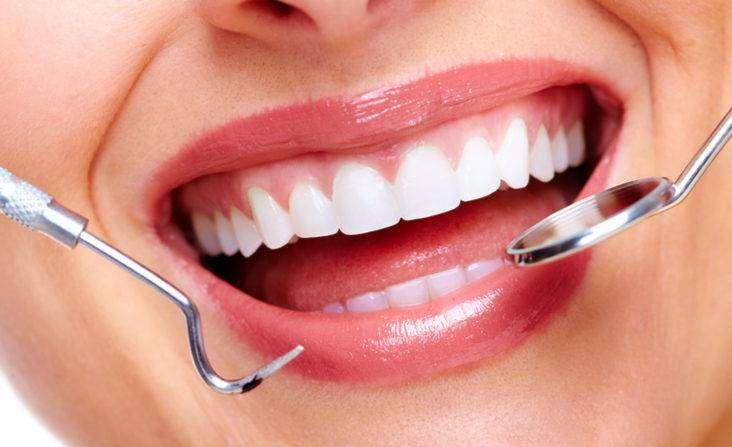
In recent years, advancements in dental technology have made significant improvements in the way dental procedures are performed. One of the most groundbreaking innovations in this field is the use of soft tissue dental laser. These lasers have revolutionized the treatment of soft tissue issues in the mouth, offering patients quicker, more comfortable procedures with faster healing times. In this article, we will explore the benefits, uses, and considerations of soft tissue dental lasers, and how they are transforming modern dental care.
A soft tissue dental laser is a specialized device used in dental procedures to treat soft tissues in the mouth. These lasers use focused light energy to remove or reshape soft tissue such as gums, the inside of the lips, and the tissues surrounding teeth. Unlike traditional dental instruments like scalpels, lasers offer precise, minimally invasive, and effective treatments with reduced bleeding, swelling, and discomfort for patients.
Soft tissue dental lasers typically operate in two main wavelength ranges: one for soft tissue procedures and one for hard tissue procedures (such as bone). Soft tissue lasers are specifically designed to target soft tissues, utilizing a focused beam of light to remove, reshape, or treat tissues.
Soft tissue lasers work by emitting a highly concentrated light beam that interacts with the tissue. This energy is absorbed by water and pigments in the tissue, causing it to vaporize, coagulate, or undergo other processes depending on the treatment being performed. This mechanism allows the dentist to perform highly accurate procedures with minimal damage to surrounding tissues.
There are two primary types of lasers used for soft tissue dental treatments:
Diode Lasers: These lasers are commonly used in soft tissue dental procedures. They emit a wavelength of light that is well absorbed by the tissues in the oral cavity. Diode lasers are highly effective for soft tissue procedures like gum reshaping, crown lengthening, and frenectomy (the removal of the frenulum).
Er:YAG Lasers: These lasers use a different wavelength and are more versatile in their ability to treat both soft and hard tissues. However, they are also effective for soft tissue applications, such as reshaping the gums, and can be used for a variety of other dental treatments.
The integration of laser technology into dental treatments offers numerous benefits compared to traditional methods. Some of the key advantages include:
Traditional methods of treating soft tissues, such as cutting with scalpels, often cause significant discomfort. Soft tissue lasers, on the other hand, are less invasive. They typically require little to no anesthesia, and the precision of the laser reduces the risk of trauma to surrounding tissues, making the procedure less painful for patients.
One of the most remarkable benefits of soft tissue dental lasers is their ability to coagulate blood vessels as they cut. The laser energy seals blood vessels as it works, significantly reducing bleeding during and after the procedure. This feature helps create a cleaner working environment for the dentist and promotes faster healing for the patient.
Since laser treatment is minimally invasive, the recovery time is much shorter compared to traditional methods. Lasers promote the regeneration of healthy tissue, leading to reduced swelling and a more rapid healing process. Many patients experience less postoperative discomfort and can return to their regular activities sooner.
Soft tissue lasers allow for incredible precision in tissue removal or reshaping. This precision ensures that only the targeted tissue is affected, preserving the surrounding healthy tissue. Whether it’s reshaping the gums or removing a growth, lasers provide highly accurate results, leading to better aesthetic outcomes and improved function.
The laser’s ability to sterilize the tissue as it works helps minimize the risk of infection following the procedure. Because the laser seals off the tissue as it cuts, the chance for bacterial contamination is greatly reduced, leading to a safer and more comfortable recovery.
In many soft tissue procedures, such as a frenectomy or gum reshaping, laser treatments can eliminate the need for stitches. This reduces the discomfort associated with sutures and makes the healing process much easier for patients.
Soft tissue lasers are versatile and can be used for a variety of dental procedures. Below are some of the most common applications:
Soft tissue lasers can be used to sculpt the gums to improve the appearance of a smile. Whether a patient has a "gummy smile" (where the gums cover too much of the teeth) or uneven gum lines, laser gum reshaping can correct these issues by removing excess gum tissue to create a more balanced, aesthetically pleasing smile.
When a tooth is decayed or broken below the gum line, it may be necessary to expose more of the tooth structure to place a crown. A soft tissue laser can be used to precisely remove excess gum tissue, providing the necessary exposure to the tooth without the need for traditional surgical tools.
A frenectomy is a procedure to remove or modify the frenulum, a small band of tissue that connects the lip or tongue to the gums. In some cases, the frenulum can cause problems such as a restricted range of motion or interfere with dental treatments like braces. Lasers can remove or adjust the frenulum quickly and precisely with minimal discomfort.
Soft tissue lasers are highly effective in treating periodontal (gum) disease. In cases of gum infection or inflammation, lasers can be used to remove infected tissue, promote tissue regeneration, and kill harmful bacteria. This process accelerates the healing of the gums and helps restore oral health.
Soft tissue lasers can be used to remove benign growths such as fibromas, papillomas, and other lesions that may appear in the mouth. The laser’s precision minimizes the risk of damage to surrounding tissue, making the removal of growths more comfortable for the patient.
Lasers can also be used to take a biopsy of suspicious tissue for further examination. The laser can carefully remove a small sample of tissue for analysis, ensuring that the surrounding area remains undamaged.
While soft tissue lasers offer many benefits, there are some considerations and limitations that both patients and dentists should be aware of:
The initial cost of purchasing and maintaining laser equipment can be high. As a result, some dental offices may charge more for laser procedures compared to traditional treatments. However, the benefits—such as reduced healing time and fewer follow-up visits—often outweigh the higher initial cost.
Laser dentistry requires specialized training and expertise. Not all dentists are trained to use soft tissue lasers, and it’s essential to choose a dentist who is experienced with this technology to ensure the best results.
While soft tissue lasers are highly effective for many procedures, they are not suitable for all types of treatments. For example, lasers cannot be used to treat hard tissues like teeth or bone, and some complex cases may still require traditional surgical methods.
Patients with certain medical conditions, such as those who are pregnant or have pacemakers, may not be candidates for laser treatment. It’s important to consult with the dentist about any pre-existing conditions that could affect the use of lasers.
Soft tissue dental lasers are an exciting innovation that have transformed the way many dental procedures are performed. They offer a wide range of benefits, including precision, reduced pain, faster recovery, and minimized risk of infection. With their ability to treat a variety of soft tissue conditions—from gum reshaping to the removal of lesions—dental lasers have become an invaluable tool for both patients and dentists.
As laser technology continues to evolve, the possibilities for more advanced and effective treatments are endless. If you’re considering a dental procedure involving soft tissue lasers, be sure to consult with a qualified dentist who is experienced with this technology to determine whether it’s the right choice for your oral health needs.
Best Maternity Hospitals in Bhubaneswar — Services & Costs Explained
Best Gynecologist in Bhubaneswar — Complete Guide for Women’s Health
Affordable General Physician Services in Bhubaneswar: A Patient’s Guide
Best Pediatrician in Bhubaneswar – How to Choose for Your Child
Best Pediatrician OPD in Bhubaneswar – ZeLife Healthcare
Best Pathology Lab Clinic Near Me in Bhubaneswar – ZeLife Healthcare Chandrasekharpur
Top Child Specialist Near Chandrasekharpur, Bhubaneswar – ZeLife Healthcare
Gastroenterologist Doctor near Chandrasekharpur, Bhubaneswar – ZeLife Healthcare
Best Clinic Near Chandrasekharpur, Bhubaneswar – ZeLife Healthcare
Best Gastroenterologist Near Chandrasekharpur, Bhubaneswar – ZeLife Healthcare
Gynecologist Hospital in Bhubaneswar – ZeLife Healthcare
Top Child Specialist Near Chandrasekharpur, Bhubaneswar – ZeLife Healthcare
Gastroenterologist Hospital in Bhubaneswar – ZeLife Healthcare
Best Pregnancy Care Doctor near Chandrasekharpur Bhubaneswar – ZeLife Healthcare
Gastroenterologist Clinic near Chandrasekharpur, Bhubaneswar – ZeLife Healthcare
Liver Specialist Hospital in Bhubaneswar – ZeLife Healthcare
Stomach Specialist Hospital in Bhubaneswar – ZeLife Healthcare
Best Newborn Care Doctor near Chandrasekharpur, Bhubaneswar
Best Child Specialist Near Bhubaneswar – A Complete Guide for Parents
Best Gastroenterologist Near Bhubaneswar – Advanced Digestive & Liver Care in Chandrasekharpur
Gastroenterologist Clinic near Bhubaneswar – Expert Digestive & Liver Care at Zelife Healthcare
Pediatrician Hospital in Bhubaneswar – Complete Child & Newborn Care at Zelife Healthcare
Best Gynecologist OPD near Bhubaneswar — Comprehensive Women’s Health Care at Zelife Healthcare
Child Specialist Hospital in Bhubaneswar — Expert Pediatric & Neonatal Care at Zelife Healthcare