 English
 Arabic
 French
 Spanish
 Portuguese
 Deutsch
 Turkish
 Dutch
Dutch
 Italiano
 Russian
 Romaian
 Portuguese (Brazil)
 Greek
Greek

Rigid Plastic Packaging Market projected to reach USD 338.48 Million by 2032
Other |
2025-08-13 08:33:56
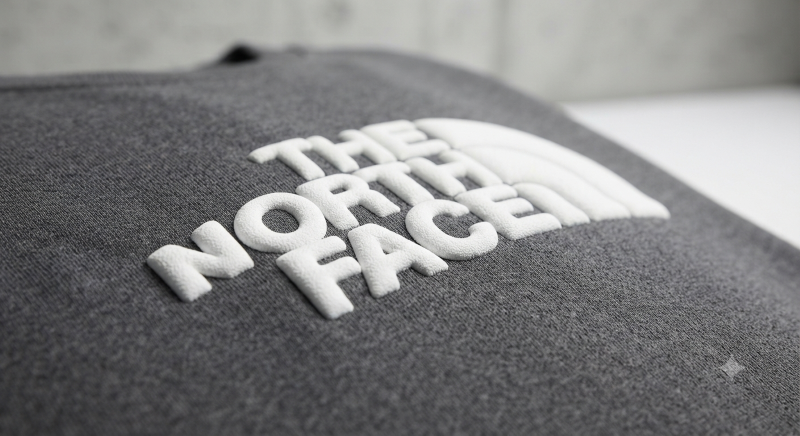
Walk through any Australian markets stall, corporate lobby, or campus bookstore this year, and you'll notice something different about the branded apparel on display. Logos aren't just printed anymore — they're raised, textured, almost sculptural. This is puff print, and it's quietly reshaping how businesses think about garment branding.
What started as a niche streetwear technique has moved firmly into the mainstream. Corporate teams, hospitality venues, gyms, and retail brands are all asking for the same thing: branding that people can actually feel.
Puff print uses a specialised additive mixed into screen printing ink that expands when heat-cured, lifting the design off the fabric surface. The result is a three-dimensional finish with genuine depth and texture.
Unlike embroidery, which stitches a design into the fabric, puff print sits on top of it — offering a softer, more tactile feel that works particularly well on heavier garments like sweatshirts and hoodies.
Sweatshirt fabric has enough weight and structure to support the raised ink without warping or puckering. A few reasons this pairing has become popular:
For years, premium branded apparel meant heavier cotton, better stitching, or embroidered crests. Texture has now entered that conversation.
"Customers are becoming more tactile in how they judge quality," is a sentiment echoed across the decorated apparel industry as brands compete on sensory detail, not just visual design. A raised logo signals craftsmanship in a way flat printing often can't.
This shift mirrors broader trends in Australian retail and hospitality branding, where businesses are investing in merchandise that customers want to keep, wear repeatedly, and photograph for social media — rather than throwaway promotional stock.
Businesses ordering staff uniforms or event crews are increasingly choosing textured finishes for outerwear. A puffed logo on a company hoodie feels more considered than a standard heat-transfer print, without the higher cost and longer turnaround of embroidery.
Independent clothing brands have driven much of puff print's popularity, using it to differentiate small-batch drops. Larger retailers have followed, recognising that texture adds perceived value to otherwise simple designs.
Sporting clubs, festivals, and university societies are using puff print for limited-run sweatshirts, where a bold, dimensional emblem helps merchandise feel like a genuine keepsake rather than a generic giveaway.
Puff print isn't the right fit for every design or budget. A few points worth understanding before briefing your printer:
Puff print has been available for decades, but recent improvements in ink formulation and curing equipment have made it more consistent and accessible for commercial runs. Modern additives expand more predictably, reducing the trial-and-error that once made puff print a riskier choice for larger orders.
This technical maturity is part of why it's moved from a novelty effect to a legitimate branding option that Australian businesses can rely on for professional, repeatable results.
As demand for tactile, premium finishes has grown, Garment Printing has expanded its Custom Puff Print service to give Australian businesses access to this technique without the guesswork.
Drawing on years of experience across screen printing, embroidery, and modern decoration methods, the team works with clients to determine where puff print will genuinely enhance a design — and where a different technique might serve the garment better. That kind of guidance, built on practical print-floor experience rather than a one-size-fits-all sales pitch, is what separates a considered branding partner from a basic print shop.
For businesses exploring premium sweatshirts, team uniforms, or retail merchandise, this expertise matters. Garment decoration is as much about production know-how as design — knowing how ink behaves on different fabrics, how placement affects wear, and how to keep a raised print looking sharp after repeated washes.
Consider puff print if you want:
It may be less suitable if your design relies on fine detail, multiple gradients, or very small text — in which case digital or screen printing may deliver a cleaner result.
Puff print's rise isn't a passing novelty. It reflects a genuine shift in what Australian consumers and businesses expect from branded apparel — garments that look considered and feel deliberately made, not just printed.
As the technique matures and becomes more accessible, expect to see more sweatshirts, hoodies, and team wear carrying that unmistakable raised texture on shopfronts, campuses, and staff floors around the country.
For an independent perspective on sustainable and quality standards in textile production, the Australian Fashion Council offers useful resources on responsible apparel manufacturing.

