English
 Arabic
 French
 Spanish
 Portuguese
 Deutsch
 Turkish
 Dutch
Dutch
 Italiano
 Russian
 Romaian
 Portuguese (Brazil)
 Greek
Greek

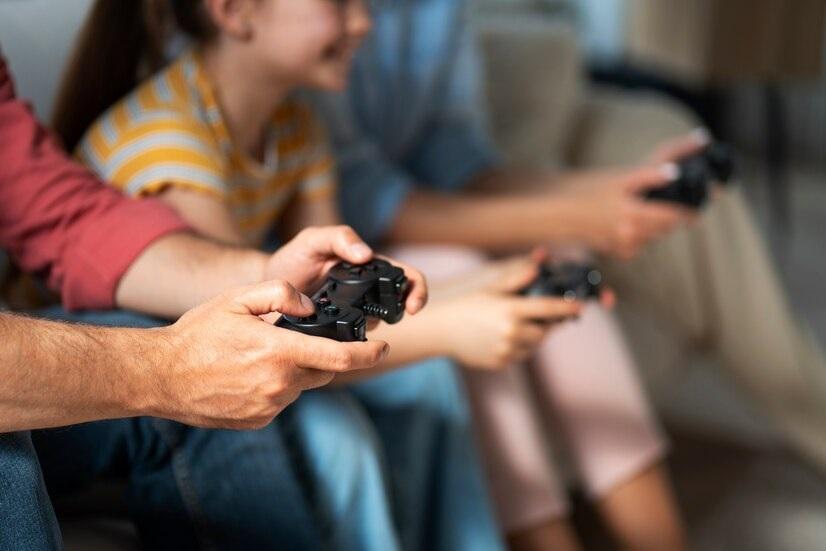
Minecraft has become one of the most iconic and widely played games in the world, captivating millions of children, teens, and even adults. At first glance, it may seem like a simple block-building game, but its open-ended gameplay, creative freedom, and immersive experiences can make it incredibly hard to put down. For some, this fascination can turn into a compulsive behavior known as Minecraft addiction.
In this article, we’ll explore why Minecraft is so addictive, the signs of Minecraft addiction, and how parents can help their kids develop a healthier relationship with the game.
What Is Minecraft?
Minecraft is a sandbox video game that allows players to explore a pixelated, 3D world made entirely of blocks. Players can build structures, mine resources, craft tools, fight monsters, and create complex worlds—either in survival mode (where they gather resources and avoid danger) or creative mode (where they have unlimited resources and can build freely).
Its open-ended nature is both its biggest appeal and the primary reason it becomes addictive for some players.
What Makes Minecraft So Addictive?
Minecraft's success lies in its ability to stimulate creativity, reward progress, and offer endless possibilities. Here are several reasons why the game becomes so addictive:
1. Unlimited Creativity
Minecraft gives players the power to create anything—from castles and rollercoasters to functioning computers and entire cities. There are no strict objectives or levels. This sense of creative control is deeply satisfying, especially for younger players who enjoy building and expressing themselves.
2. Open-World Exploration
The game's vast and randomly generated worlds provide a sense of freedom and discovery. Players can explore mountains, oceans, forests, caves, and villages—all of which offer new resources and surprises. The sense of exploration keeps players engaged and curious.
3. Goal-Oriented Gameplay
Even though the game is open-ended, players still set their own goals—defeating the Ender Dragon, building the ultimate base, or collecting rare items. Achieving these goals provides a sense of accomplishment, which can trigger the brain’s reward system and encourage longer play sessions.
4. Multiplayer Social Features
Minecraft allows friends to play together in shared worlds. This multiplayer aspect fosters social connections, teamwork, and competition. Many kids want to keep up with or impress their friends, which can lead to prolonged playtime and feelings of FOMO (fear of missing out).
5. Constant Updates and Mods
The game is constantly evolving. New features, updates, and downloadable modifications (mods) mean there’s always something new to try. These additions refresh the game and keep players coming back for more.
6. Safe Escape from Reality
For some children and teens, Minecraft offers an escape from school stress, social anxiety, or real-world problems. The immersive environment becomes a virtual safe space where they feel in control, leading to overdependence.
Signs of Minecraft Addiction
Not every child who plays Minecraft is addicted. However, it’s important to recognize the signs of excessive or problematic use. Here are some common symptoms of Minecraft addiction:
-
Playing for hours without breaks, even late into the night
-
Neglecting schoolwork, chores, or physical activities
-
Becoming irritable or angry when not allowed to play
-
Obsessing over the game even when not playing
-
Withdrawing from family and social life
-
Declining academic performance or focus
When Minecraft becomes more important than everyday responsibilities, it may signal an unhealthy attachment.
The Science Behind the Addiction
Minecraft triggers dopamine release in the brain—the same "feel-good" chemical associated with eating, exercise, and even gambling. Every time a player completes a task, builds something new, or collects a rare item, dopamine reinforces that behavior, making them want to continue playing.
This reward loop can make Minecraft particularly engaging for children and teens, whose brains are still developing and are more susceptible to forming habits and compulsive behavior.
How to Help Your Child Manage Minecraft Addiction
If you feel your child may be addicted to Minecraft, the good news is that there are healthy ways to address it without creating conflict or resentment.
1. Have an Open Conversation
Talk to your child calmly and express concern without blaming them. Ask how they feel about the time they spend on the game. Understanding their perspective helps build trust and encourages cooperation.
2. Set Time Limits
Create clear boundaries for screen time and enforce them consistently. For example, limit Minecraft to 1–2 hours a day after homework and other responsibilities are completed. Use parental control apps if necessary.
3. Create a Balanced Schedule
Help your child structure their day with time for school, exercise, offline hobbies, and rest. Balance ensures that gaming doesn’t dominate their routine.
4. Encourage Other Interests
Introduce new activities that stimulate creativity or social interaction, such as sports, music, reading, or art. Finding enjoyable alternatives can reduce dependency on the game.
5. Remove Minecraft from the Bedroom
Keeping gaming devices in shared spaces allows you to monitor usage and reduces the temptation to play late at night.
6. Reward Positive Behavior
Acknowledge and reward time spent away from screens. Positive reinforcement for playing outside, completing homework, or helping around the house can motivate kids to self-regulate.
7. Be a Role Model
If you spend a lot of time on your phone or computer, your child may see that as acceptable. Practice healthy screen habits and spend more quality time together offline.
8. Seek Professional Help
If Minecraft addiction leads to serious behavioral or emotional issues, consider consulting a child psychologist or therapist who specializes in gaming addiction. Early intervention can prevent long-term consequences.
Final Thoughts
Minecraft is a creative and educational tool when used in moderation. However, its immersive design and endless gameplay potential make it easy for kids to lose track of time and develop addictive patterns.
Understanding Minecraft addiction is the first step toward helping your child regain control. With patience, consistent boundaries, and open communication, you can guide them toward a healthier, more balanced lifestyle—where Minecraft is just one part of their world, not the entire world.
By fostering mindful screen habits and supporting diverse interests, parents can help their children enjoy the benefits of gaming without falling into the trap of addiction.