English
 Arabic
 French
 Spanish
 Portuguese
 Deutsch
 Turkish
 Dutch
Dutch
 Italiano
 Russian
 Romaian
 Portuguese (Brazil)
 Greek
Greek

North America Meat Extract Market Business Shares and Outlook 2029
Other |
2025-07-28 09:35:13
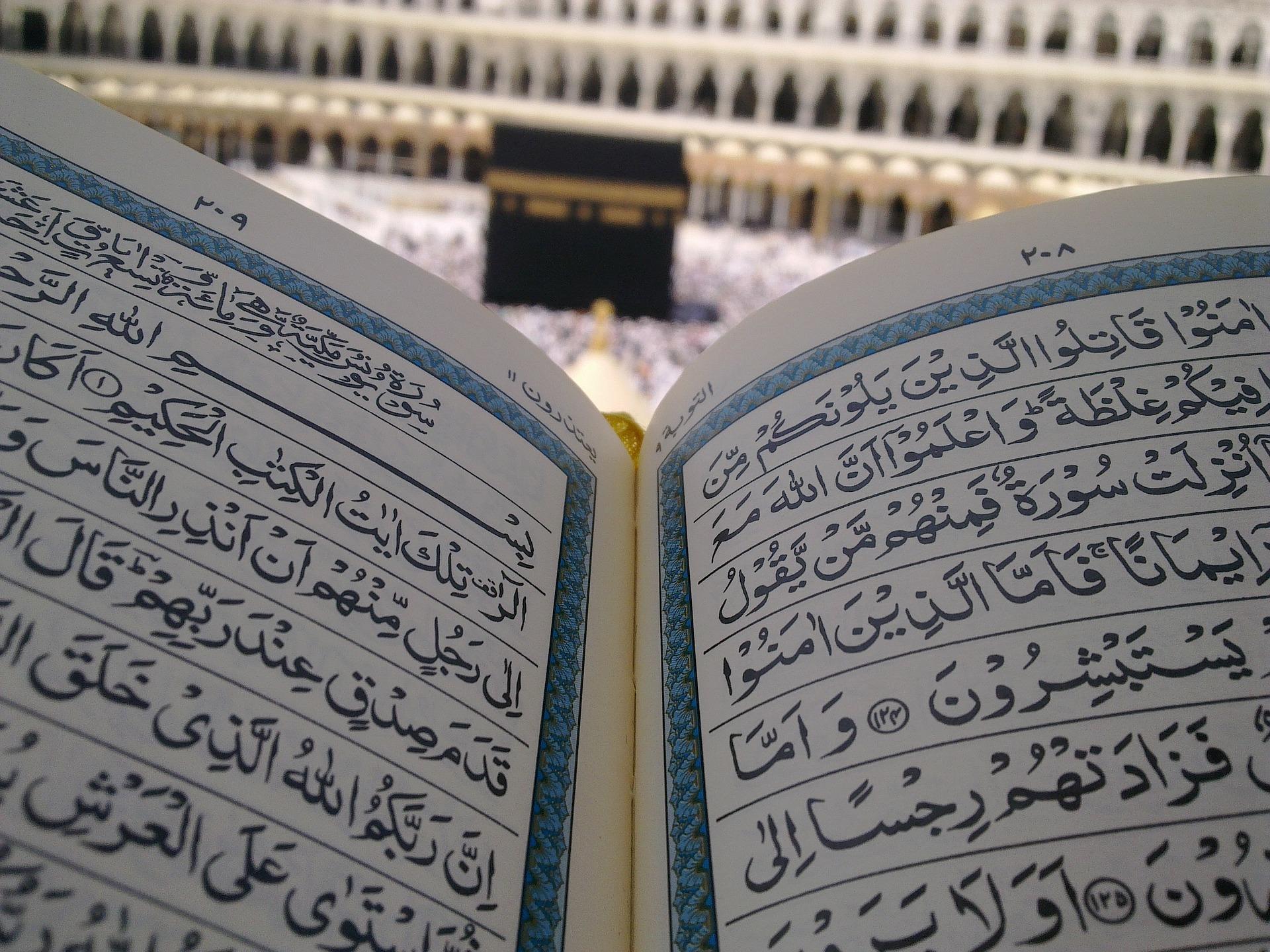
The Quran, revealed over 1400 years ago, contains verses that remarkably align with modern scientific understanding of human development. One of the most fascinating parallels lies in the formation of bones—what science calls osteogenesis. This intricate biological process is described with profound clarity in the Quran, inspiring both spiritual reflection and scientific inquiry. By examining these verses alongside embryology and bone science, we uncover a powerful intersection of faith and knowledge.
In Surah Al-Mu’minun (23:14), Allah states:
“Then We made the sperm-drop into a clinging clot, and We made the clot into a lump, and We made the lump bones, and We clothed the bones with flesh...”
This verse outlines the stages of embryonic development, including bone formation—a milestone confirmed by modern science.
The Quran mentions that bones are formed first, followed by the covering of flesh. This sequence aligns with the mesodermal development phase in embryos, where bones begin to form before muscular tissues wrap around them.
The Arabic word “fa-kasawnā” (We clothed) suggests the bone is like a structure dressed in muscle—an expression remarkably accurate to anatomical layering. Such linguistic precision adds weight to the Quran’s divine origin.
Osteogenesis begins with two phases: intramembranous and endochondral ossification. The latter is how most bones in the body develop, especially long bones like the femur.
Two cell types regulate bone development:
Osteoblasts build bone by depositing minerals.
Osteoclasts break down old bone, aiding in reshaping.
This dynamic balance ensures proper bone density and growth.
Bones are not static; they are living, vascularized tissues that remodel constantly in response to stress, nutrition, and hormones. This ongoing process reflects the divine intricacy of human design.
Surah Az-Zumar (39:6) mentions “three veils of darkness,” interpreted as:
Abdominal wall
Uterine wall
Amniotic sac
Bone formation occurs within this protected environment.
During the fifth week of gestation, limb buds appear, made entirely of cartilage. This is consistent with the “lump” stage described in the Quran.
As development progresses, the cartilage transforms into bone through endochondral ossification. This transition is gradual and mirrors the Quranic description of structural growth.
Surah Yasin (36:78-79) presents a skeptic asking how bones can be revived. Allah replies:
“He will give them life who produced them the first time.”
Bones symbolize Allah’s power to resurrect.
Throughout Islamic texts, bones are cited as signs (āyāt) of divine capability—simple in material, yet complex in function and structure.
Prophet Muhammad (PBUH) mentioned that every human has a tiny bone called the coccyx that remains intact after death and is the origin of resurrection—echoing current ideas about stem cells in marrow.
Bones are made up of collagen and calcium phosphate, offering a balance of flexibility and rigidity.
The human skeleton contains 206 bones, working as a structural framework and protection system.
Bones also act as a reservoir for minerals, especially calcium and phosphorus.
Red and white blood cells are produced in the bone marrow, linking the skeleton to the immune and circulatory systems.
The Quran’s accurate mention of development stages strengthens the belief in its divine origin.
It reflects the miraculous coordination of biological processes under divine command.
The emphasis on bone formation highlights the sacredness of life and human dignity.
It encourages Muslims to explore science, viewing knowledge as a path to Allah.
Disorders like osteoporosis remind us of the bone's dynamic and fragile nature.
Proper bone development depends on vitamin D, calcium, and physical activity.
Studying osteogenesis provides insights into regenerative medicine and healing.
It emphasizes the need to maintain bodily health, a concept deeply embedded in Islamic teachings.
Integrating Quran and science fosters a holistic educational approach.
Encouraging students to explore biology through the Quran develops critical thinking and faith-based learning.
Quranic scientific insights help bridge the gap between modern knowledge and traditional understanding.
Institutions like Muhammadan Quran School play a key role in promoting Quranic literacy in a contemporary context.
The Quran’s references to bone formation are both spiritually enlightening and scientifically profound. By comparing Quranic verses with modern embryology and osteogenesis, we find a beautiful harmony between revelation and research. For those seeking to deepen their understanding of the Quran, Muhammadan Quran School offers online Quran classes for kids and adults that bring together traditional Islamic teachings with engaging, accessible instruction—helping learners of all ages connect deeply with the words of Allah.