English
 Arabic
 French
 Spanish
 Portuguese
 Deutsch
 Turkish
 Dutch
Dutch
 Italiano
 Russian
 Romaian
 Portuguese (Brazil)
 Greek
Greek

Webdone: A Smarter Way to Build Websites
Other |
2025-06-16 08:26:13
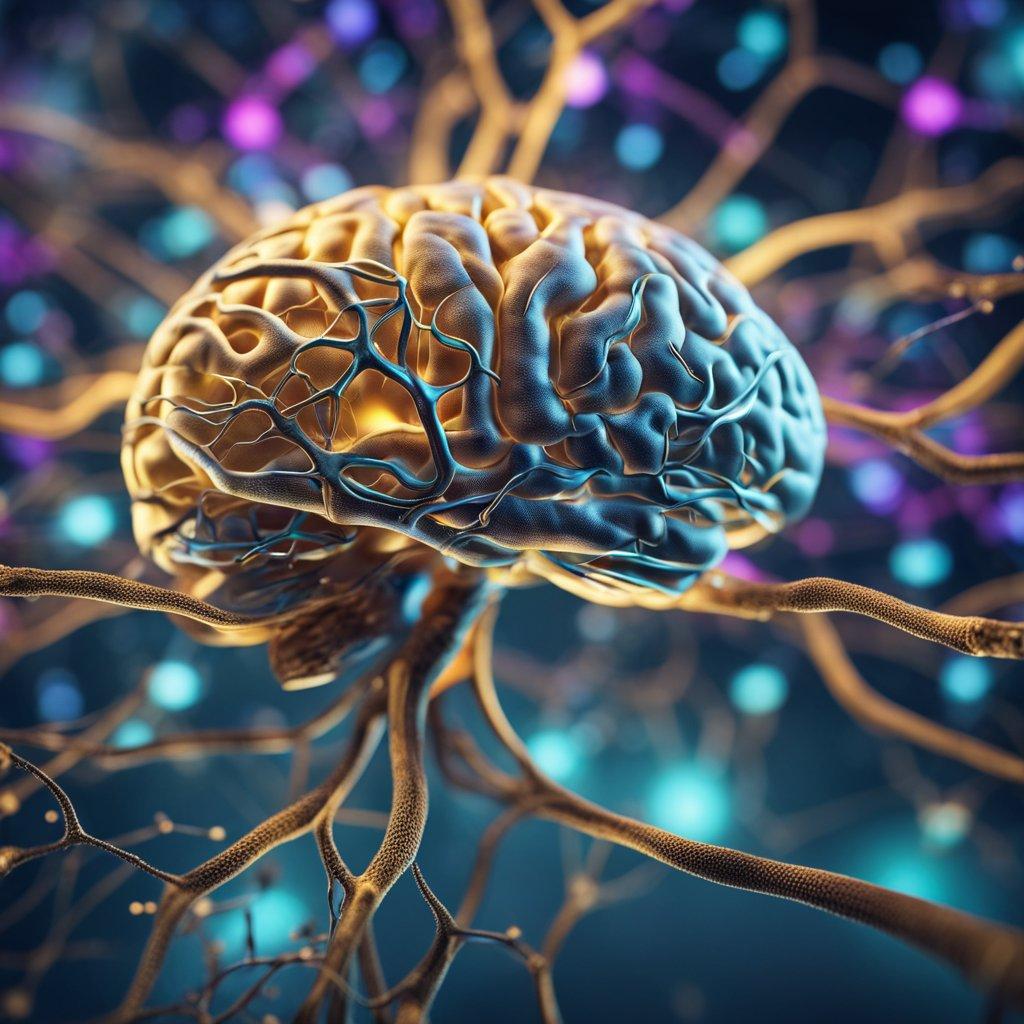
In an age of digital distractions and constant mental overload, memory retention has become more difficult than ever. However, the Quran presents a powerful concept called Dhikr—the remembrance of Allah—that holds profound psychological and neurological benefits. Not only is Dhikr a spiritual act, but it also serves as a tool to strengthen memory, focus, and emotional well-being. Let’s explore how the Quranic perspective on Dhikr connects with modern understanding of memory and mental clarity.
The Arabic word Dhikr originates from the root dh-k-r, meaning “to remember, mention, or recall.” In the Quran, it refers to both conscious remembrance of Allah and active mental engagement.
Allah repeatedly instructs believers to remember Him often:
“O you who have believed, remember Allah with much remembrance.” (Surah Al-Ahzab 33:41)
This indicates the centrality of Dhikr in Islamic life.
While repeating phrases like SubhanAllah or Alhamdulillah is common, the Quran uses Dhikr in broader ways—such as reflecting on creation or maintaining God-consciousness during daily tasks.
The hippocampus and prefrontal cortex are primarily responsible for encoding and storing memory. Regular engagement, emotional significance, and repetition help retain information.
In the Quran, the heart (qalb) is not just emotional—it plays a role in understanding and remembrance:
“They have hearts with which they do not understand…” (Surah Al-A'raf 7:179)
This aligns metaphorically with how focus and emotional clarity boost retention.
Studies show that meditative practices like Dhikr lower cortisol levels and increase brain plasticity, both of which enhance memory function.
By regularly engaging in Dhikr, the mind learns to filter distractions and reduce “mental noise,” which boosts clarity and retention.
Emotional stability significantly influences memory. Dhikr helps manage anxiety and stress, creating a healthier environment for the brain to store and recall information.
Repetition of Dhikr phrases mirrors spaced repetition techniques used in modern memory training, reinforcing neural pathways over time.
Prayer is structured remembrance. Each movement and recitation reinforces mindfulness and mental focus, enhancing short- and long-term memory.
Calling upon Allah during hardship activates emotional recall and strengthens the memory of spiritual lessons learned through challenges.
Saying Bismillah before tasks or Alhamdulillah after meals may seem small, but these repetitive affirmations cultivate a mindful lifestyle that supports mental acuity.
Improves blood flow to the brain and enhances cognitive function.
Reduces stress hormones like cortisol, aiding long-term memory retention.
Supports attention span and concentration by reducing mental clutter.
Strengthens positive neural connections through affirmations and gratitude.
Its rhythmic structure and repeated phrases aid in easier memorization.
Verses often contain vivid imagery, activating multiple parts of the brain.
Learning Tajweed involves precision, which reinforces auditory memory.
Memorizing surahs requires discipline and spaced repetition—core memory techniques.
Early exposure to Dhikr improves focus and attention in kids.
Incorporating Dhikr in bedtime or morning routines boosts emotional intelligence.
Group recitations create a communal learning environment, reinforcing memory.
Dhikr-based games or visuals can make memorization enjoyable and lasting.
Combine Dhikr with breathing exercises for enhanced calm and recall.
Use Dhikr phrases in journaling to connect thought with emotion.
Pair Quranic verses with visual cues for stronger memory association.
Structure Quran learning sessions with short, focused Dhikr intervals.
Dhikr is more than a spiritual act—it’s a practical, daily exercise that aligns beautifully with modern memory science. By incorporating Dhikr into our routines, we cultivate clarity, emotional balance, and mental sharpness. For those looking to explore the Quran deeply while nurturing these mental skills, Muhammadan Quran School offers structured online Quran classes for children and adults, blending Tajweed with techniques that promote reflection and retention. Begin your Quranic journey with intention and mindfulness.