 English
 Arabic
 French
 Spanish
 Portuguese
 Deutsch
 Turkish
 Dutch
Dutch
 Italiano
 Russian
 Romaian
 Portuguese (Brazil)
 Greek
Greek


The food and beverage landscape in 2025 is transforming quickly, driven by evolving consumer expectations, technological innovations, and a growing shift toward sustainability. Restaurants, cafes, and food brands are now using advanced AI tools to craft menus based on real-time customer data. At the same time, plant-based products are no longer niche—they’re becoming everyday staples. This shift is more than just a trend; it’s a redefinition of how we choose and consume food. Somewhere between tech-forward dining and natural living, brands are even introducing flavor innovations that span across industries—from the rise of the orion bar in vape culture to similar taste inspirations in beverages.
AI-Powered Menus Are Changing the Game
Artificial Intelligence has made its way into kitchens and menus. In 2025, AI is playing a central role in how food is recommended, prepared, and served across various formats. These tools help streamline operations, reduce waste, and enhance customer satisfaction. Here's how it's being used:
-
Dynamic Menu Personalization: Restaurants now analyze past orders, dietary preferences, and even current mood (via apps) to recommend meals.
-
Inventory Management: AI systems track ingredient availability and help chefs plan menus accordingly, reducing food spoilage.
-
Nutritional Assistance: Customers can get instant nutritional breakdowns and allergen alerts tailored to their health needs.
-
Voice-Activated Ordering: Smart menus that respond to voice input make the ordering process quicker and more accessible.
-
Trend Prediction: AI tracks food trends online and adapts offerings to match popular demand, keeping menus fresh and relevant.
Many large chains and independent kitchens are seeing faster service and improved customer feedback thanks to these implementations. Smart kiosks and mobile apps are no longer just optional; they are part of the dining experience now.
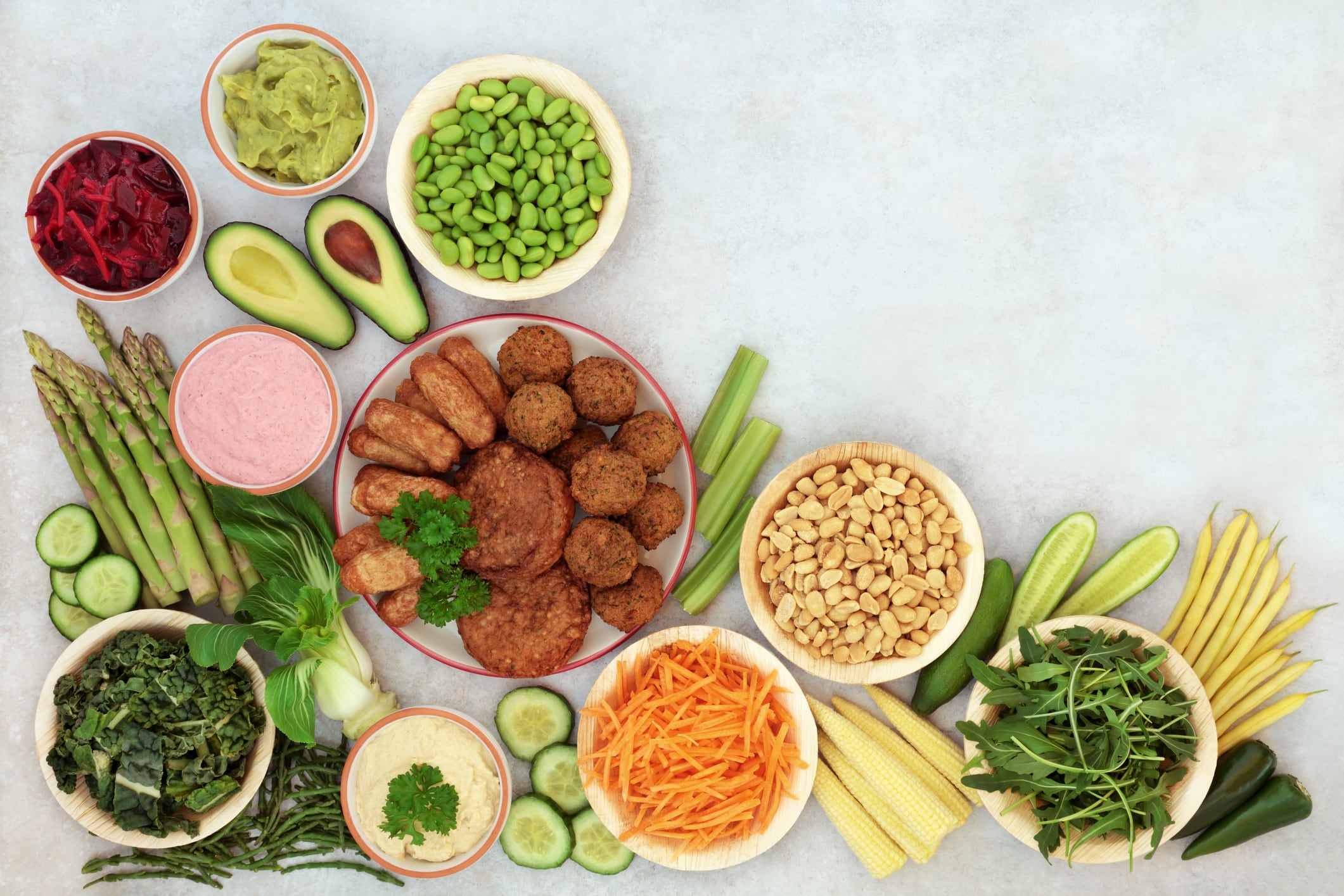
The Surge of Plant-Based Foods in Mainstream Diets
Consumers are now more aware of what goes into their meals and how those choices affect the planet. Plant-based alternatives—once seen as secondary to meat—are now front and center in menus globally. From oat milk lattes to meatless burgers that sizzle like the real thing, plant-based innovations are reshaping the grocery aisles and restaurant tables.
Here’s why plant-based is booming in 2025:
-
Better Accessibility: Prices have dropped due to scaled production, making it affordable for more households.
-
Expanded Variety: Products now include not only plant-based meat but also seafood, eggs, and even dairy alternatives that cook and taste similarly.
-
Retail Integration: Supermarkets now dedicate full aisles to plant-based goods, often placed at eye level, making them a common choice.
-
Nutritional Value: Many products now offer equal or better protein content with lower saturated fats and no cholesterol.
-
Global Adoption: Countries in Asia, Europe, and the Americas are embracing plant-based diets, often combining traditional recipes with modern ingredients.
This shift is not only driven by vegans or vegetarians. Flexitarians—those who occasionally eat meat—make up a large part of the market. They seek balance and flavor without compromising on nutrition or ethics.
How Food Tech is Enhancing Consumer Experience
Technology is not only improving the back-end of food preparation but also changing how people interact with food. From transparent sourcing to automated cooking, the entire journey is now trackable and personalized.
Notable innovations in 2025 include:
-
Smart Packaging: QR codes on packages show sourcing information, nutritional stats, and even recipe ideas based on what's in your cart.
-
Cloud Kitchens: Virtual-only restaurants use AI to run operations efficiently and fulfill delivery orders from a centralized hub.
-
Food Scanners: Portable devices that analyze food in real time for calories, freshness, and ingredients are now common in home kitchens.
-
Robotic Chefs: Many restaurant chains now deploy cooking robots that ensure consistency and hygiene while freeing up human chefs for creative work.
-
Augmented Reality Menus: Visualizing your meal before ordering through AR tech helps in making better food choices.
Together, these advancements create a seamless and informed experience for the consumer, where decision-making is guided by accurate, personalized data rather than guesswork.
The Flavor Connection: Cross-Industry Innovation
Interestingly, food and beverage flavors are now influencing and being influenced by adjacent markets like wellness, health, and even vaping. The use of natural fruit-inspired profiles like mango, watermelon, or citrus is common across both edible and vape products. This crossover reflects a shared consumer interest in bold, recognizable flavors that are clean and refreshing.
Take, for example, the lush ice flavor—a mix of sweet watermelon and menthol that's seen in vaping but has also inspired summer beverage launches. Many mocktails and infused water brands have started incorporating this flavor combination, tapping into a familiar sensory appeal. Consumers who enjoy such profiles in one product space tend to be more open to exploring it in others, making it a valuable bridge across categories.
What’s Ahead for Food and Beverage
Looking toward the future, 2025 will continue to be about personalization, sustainability, and smarter technology. Consumers are no longer just looking for taste—they want transparency, convenience, and alignment with their values. Businesses that can blend these elements seamlessly will stand out.
A few key things to expect:
-
More Functional Beverages: Drinks with probiotics, adaptogens, and vitamins will grow in demand as consumers look to combine hydration with wellness.
-
Lab-Grown Ingredients: Expect to see cultured meat and dairy becoming more common as regulatory frameworks evolve.
-
Cultural Fusion Menus: With AI understanding preferences better, cross-cultural foods tailored to regional tastes will rise.
-
Waste Reduction Efforts: Many restaurants are adopting zero-waste cooking models using every part of ingredients and composting leftovers.
These are not just passing trends but real shifts in how the food system works and how we participate in it daily.
In closing, 2025 is shaping up to be a year where smart dining meets sustainable living. From AI-curated meals to plant-based dominance, the food and beverage industry is innovating faster than ever. Whether it’s a robot preparing your lunch or a smoothie inspired by a sour apple vape flavor, the lines between tech, taste, and wellness continue to blur—all pointing to a future where food is smarter, cleaner, and more accessible for everyone.


