English
 Arabic
 French
 Spanish
 Portuguese
 Deutsch
 Turkish
 Dutch
Dutch
 Italiano
 Russian
 Romaian
 Portuguese (Brazil)
 Greek
Greek

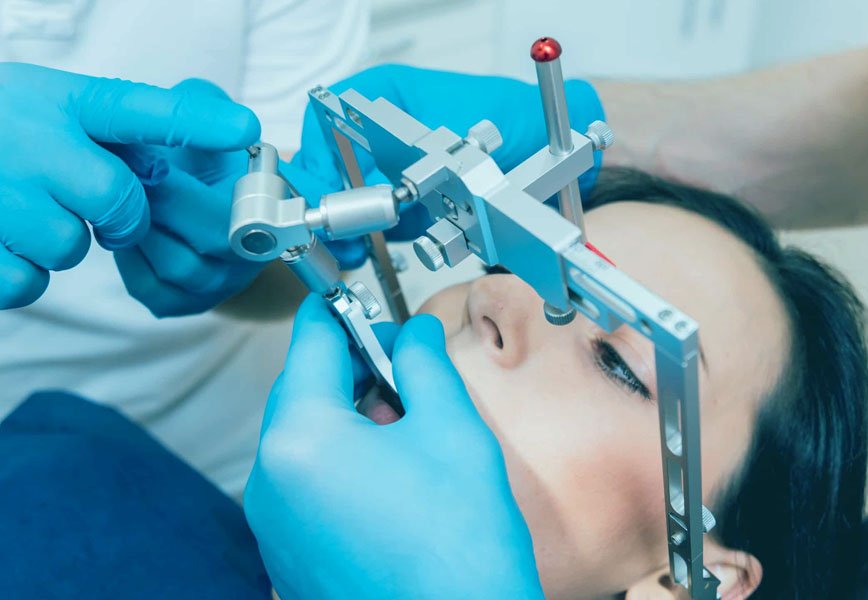
Corrective Jaw Surgery for Bite Problems and Facial Asymmetry: Restoring Function, Balance, and ConfidenceThe alignment of the jaws plays a vital role in both oral function and facial appearance. Proper jaw positioning allows jaw surgery cost in chennai teeth to fit together correctly, enabling efficient chewing, clear speech, comfortable breathing, and balanced facial proportions. When the upper and lower jaws are misaligned, however, individuals may experience a wide range of functional and aesthetic concerns that affect their quality of life.Many jaw-related problems can be corrected with orthodontic treatment alone. However, when the issue involves the underlying skeletal structure rather than simply the position of the teeth, braces may not be sufficient. In such cases, corrective jaw surgery, also known as orthognathic surgery, may be necessary to achieve optimal results.Corrective jaw surgery is a specialized procedure designed to reposition the upper jaw, lower jaw, or both. The goal is to improve bite function, facial symmetry, oral health, and overall appearance. Modern advancements in surgical planning, imaging technology, and orthodontic treatment have made jaw surgery safer, more precise, and more effective than ever before.This article explores how corrective jaw surgery addresses bite problems and facial asymmetry, the conditions it treats, the treatment process, recovery expectations, benefits, risks, and long-term outcomes.Understanding Bite Problems and Facial AsymmetryWhat Is a Bite Problem?A bite refers to the way the upper and lower teeth come together when the mouth closes. Ideally, the teeth should fit together comfortably and efficiently.When the jaws are improperly positioned, various bite problems may occur, including:OverbiteUnderbiteCrossbiteOpen biteDeep biteMidline discrepanciesThese issues can affect oral function, appearance, and long-term dental health.What Is Facial Asymmetry?Facial asymmetry occurs when one side of the face differs noticeably from the other. Mild asymmetry is common and usually normal. However, significant asymmetry may result from abnormal jaw growth, trauma, developmental conditions, or congenital abnormalities.Severe facial asymmetry can affect:Facial appearanceBite functionSpeechBreathingSelf-confidenceCorrective jaw surgery is often recommended when facial asymmetry is linked to skeletal jaw discrepancies.Causes of Jaw MisalignmentSeveral factors can contribute to jaw alignment problems.Genetic FactorsMany jaw discrepancies are inherited. Family history often plays a significant role in jaw size, shape, and growth patterns.Developmental AbnormalitiesAbnormal jaw growth during childhood or adolescence can result in disproportionate upper and lower jaws.Birth DefectsConditions such as cleft lip and palate may affect jaw development and require surgical correction.Trauma or InjuryAccidents involving facial bones may lead to jaw misalignment and asymmetry.Medical ConditionsCertain diseases and growth disorders can affect the development of facial bones and jaw structures.Common Bite Problems Corrected by Jaw SurgerySevere OverbiteAn overbite occurs when the upper teeth overlap the lower teeth excessively.Symptoms may include:Difficulty chewingExcessive tooth wearJaw discomfortSpeech issuesJaw surgery can reposition the lower jaw, upper jaw, or both to achieve proper alignment.UnderbiteAn underbite occurs when the lower jaw extends beyond the upper jaw.Common signs include:Prominent chin appearanceDifficulty biting foodSpeech challengesFacial imbalanceCorrective surgery can move the jaws into a more harmonious relationship.Open BiteAn open bite leaves a gap between the upper and lower teeth when the mouth is closed.Patients often experience:Difficulty chewingSpeech problemsFacial imbalanceJaw surgery can correct the skeletal causes of severe open bites.CrossbiteCrossbites occur when upper teeth fit inside lower teeth.Consequences may include:Uneven tooth wearGum recessionJaw shiftingSurgical correction can improve both function and appearance.Facial Asymmetry and Jaw SurgeryHow Jaw Discrepancies Affect Facial AppearanceThe jaws provide structural support for the lower portion of the face. When one jaw grows disproportionately or develops unevenly, noticeable asymmetry may result.Common signs include:Uneven jawlineOff-center chinUnequal facial proportionsTilted smileAsymmetrical facial contoursGoals of Surgical CorrectionJaw surgery aims to:Improve facial balanceAlign the chin properlyCorrect jaw positioningEnhance symmetryImprove bite functionThe result is often a more harmonious and proportionate facial appearance.Who Is a Candidate for Corrective Jaw Surgery?Patients may be candidates if they have:Severe bite problemsSignificant facial asymmetryDifficulty chewingSpeech difficultiesChronic jaw painSleep-related breathing disordersSkeletal jaw discrepancies beyond the correction range of orthodontics aloneMost patients undergo surgery after jaw growth has been completed, typically during late adolescence or adulthood.The Role of Orthodontics in Jaw SurgeryOrthodontic treatment is usually an essential part of the process.Pre-Surgical OrthodonticsBraces or aligners are used before surgery to position the teeth correctly within each jaw.This stage may last:12 to 24 monthsSometimes longer for complex casesSurgical CorrectionOnce the teeth are properly aligned within their respective jaws, surgery repositions the jaw bones themselves.Post-Surgical OrthodonticsFollowing surgery, orthodontic treatment continues to refine the bite and ensure long-term stability.Diagnostic Evaluation and Treatment PlanningSuccessful outcomes begin with thorough evaluation and planning.The treatment team may use:Clinical ExaminationA detailed assessment of facial structure, bite relationships, and jaw function.Digital ScansThree-dimensional scans provide highly accurate anatomical information.X-RaysImaging helps evaluate bone structure and tooth positions.PhotographsPhotographs document facial appearance and assist in treatment planning.Virtual Surgical PlanningAdvanced software allows surgeons to simulate jaw movements and predict results before surgery.Types of Corrective Jaw SurgeryUpper Jaw Surgery (Maxillary Osteotomy)Upper jaw surgery may be used to correct:Open bitesCrossbitesExcessive gum displayFacial imbalanceThe surgeon repositions the upper jaw and secures it with titanium plates and screws.Lower Jaw Surgery (Mandibular Osteotomy)Lower jaw surgery addresses:UnderbitesOverbitesJaw asymmetryThe lower jaw is repositioned to improve alignment and function.Double Jaw SurgeryMany patients benefit from repositioning both jaws simultaneously.Advantages include:Improved facial balanceEnhanced bite correctionBetter airway functionGreater aesthetic improvementChin Surgery (Genioplasty)Chin surgery is sometimes combined with jaw surgery to optimize facial proportions and profile appearance.The Surgical ProcedureCorrective jaw surgery is typically performed under general anesthesia.The procedure usually involves:Internal incisions within the mouthPrecise bone repositioningStabilization with plates and screwsCareful monitoring throughout surgeryMost procedures take several hours depending on complexity.Modern techniques generally eliminate the need for prolonged jaw wiring.Recovery After Corrective Jaw SurgeryImmediate RecoveryPatients often remain in the hospital for one to three days.Common symptoms include:SwellingBruisingTemporary numbnessMild discomfortFirst Few WeeksRecovery involves:Soft or liquid dietLimited physical activityCareful oral hygieneSwelling gradually decreases over several weeks.Return to Daily ActivitiesMany patients resume work or school within two to six weeks, depending on the extent of surgery.Long-Term HealingComplete healing continues for several months as bone and soft tissues stabilize.Benefits of Corrective Jaw SurgeryImproved Bite FunctionPatients often experience significant improvements in chewing efficiency and comfort.Better SpeechCorrecting jaw alignment may improve speech clarity.Enhanced Facial SymmetryMany individuals notice substantial improvements in facial balance and appearance.Reduced Jaw PainProper alignment decreases stress on jaw joints and surrounding muscles.Improved BreathingSome patients experience better airway function and improved sleep quality.Increased ConfidenceA more balanced facial appearance often contributes to improved self-esteem and social confidence.Risks and Potential ComplicationsAs with any surgical procedure, risks exist.Potential complications may include:InfectionBleedingNerve injuryTemporary or permanent numbnessDelayed healingRelapse of jaw positionWorking with an experienced surgical team significantly reduces these risks.Long-Term Results and StabilityOrthognathic surgery generally provides stable, long-lasting results.Success depends on:Proper treatment planningOrthodontic compliancePost-operative careLong-term retentionMost patients enjoy lifelong improvements in both function and appearance.Technological Advances in Jaw SurgeryModern innovations have improved safety and predictability.Advancements include:3D imagingComputer-assisted planningVirtual surgical simulationsCustomized surgical guidesDigital orthodontic integrationThese technologies allow highly precise treatment and improved patient outcomes.Psychological and Social BenefitsBeyond physical improvements, many patients experience emotional benefits such as:Increased confidenceGreater willingness to smileImproved social interactionsEnhanced quality of lifeBetter self-imageThese psychological improvements often have a lasting positive impact.ConclusionCorrective jaw surgery is a transformative treatment option for individuals with severe bite problems and facial asymmetry. When orthodontic treatment alone cannot address the underlying skeletal discrepancies, orthognathic surgery provides a comprehensive solution that improves oral function, facial harmony, and overall quality of life.By correcting jaw alignment, patients can achieve better chewing, clearer speech, improved breathing, enhanced facial balance, and increased self-confidence. Although the treatment process requires careful planning, orthodontic preparation, surgery, and recovery, the long-term benefits are often life-changing.Advances in digital imaging, surgical techniques, and interdisciplinary care continue to improve outcomes, making corrective jaw surgery one of the most effective treatments available for complex jaw and facial alignment problems. For individuals struggling with functional or aesthetic concerns related to jaw discrepancies, consultation with an orthodontist and oral and maxillofacial surgeon can be the first step toward lasting improvement and a healthier, more balanced smile.
Corrective Jaw Surgery for Bite Problems and Facial Asymmetry: Restoring Function, Balance, and ConfidenceThe alignment of the jaws plays a vital role in both oral function and facial appearance. Proper jaw positioning allows jaw surgery cost in chennai teeth to fit together correctly, enabling efficient chewing, clear speech, comfortable breathing, and balanced facial proportions. When the upper and lower jaws are misaligned, however, individuals may experience a wide range of functional and aesthetic concerns that affect their quality of life.Many jaw-related problems can be corrected with orthodontic treatment alone. However, when the issue involves the underlying skeletal structure rather than simply the position of the teeth, braces may not be sufficient. In such cases, corrective jaw surgery, also known as orthognathic surgery, may be necessary to achieve optimal results.Corrective jaw surgery is a specialized procedure designed to reposition the upper jaw, lower jaw, or both. The goal is to improve bite function, facial symmetry, oral health, and overall appearance. Modern advancements in surgical planning, imaging technology, and orthodontic treatment have made jaw surgery safer, more precise, and more effective than ever before.This article explores how corrective jaw surgery addresses bite problems and facial asymmetry, the conditions it treats, the treatment process, recovery expectations, benefits, risks, and long-term outcomes.Understanding Bite Problems and Facial AsymmetryWhat Is a Bite Problem?A bite refers to the way the upper and lower teeth come together when the mouth closes. Ideally, the teeth should fit together comfortably and efficiently.When the jaws are improperly positioned, various bite problems may occur, including:OverbiteUnderbiteCrossbiteOpen biteDeep biteMidline discrepanciesThese issues can affect oral function, appearance, and long-term dental health.What Is Facial Asymmetry?Facial asymmetry occurs when one side of the face differs noticeably from the other. Mild asymmetry is common and usually normal. However, significant asymmetry may result from abnormal jaw growth, trauma, developmental conditions, or congenital abnormalities.Severe facial asymmetry can affect:Facial appearanceBite functionSpeechBreathingSelf-confidenceCorrective jaw surgery is often recommended when facial asymmetry is linked to skeletal jaw discrepancies.Causes of Jaw MisalignmentSeveral factors can contribute to jaw alignment problems.Genetic FactorsMany jaw discrepancies are inherited. Family history often plays a significant role in jaw size, shape, and growth patterns.Developmental AbnormalitiesAbnormal jaw growth during childhood or adolescence can result in disproportionate upper and lower jaws.Birth DefectsConditions such as cleft lip and palate may affect jaw development and require surgical correction.Trauma or InjuryAccidents involving facial bones may lead to jaw misalignment and asymmetry.Medical ConditionsCertain diseases and growth disorders can affect the development of facial bones and jaw structures.Common Bite Problems Corrected by Jaw SurgerySevere OverbiteAn overbite occurs when the upper teeth overlap the lower teeth excessively.Symptoms may include:Difficulty chewingExcessive tooth wearJaw discomfortSpeech issuesJaw surgery can reposition the lower jaw, upper jaw, or both to achieve proper alignment.UnderbiteAn underbite occurs when the lower jaw extends beyond the upper jaw.Common signs include:Prominent chin appearanceDifficulty biting foodSpeech challengesFacial imbalanceCorrective surgery can move the jaws into a more harmonious relationship.Open BiteAn open bite leaves a gap between the upper and lower teeth when the mouth is closed.Patients often experience:Difficulty chewingSpeech problemsFacial imbalanceJaw surgery can correct the skeletal causes of severe open bites.CrossbiteCrossbites occur when upper teeth fit inside lower teeth.Consequences may include:Uneven tooth wearGum recessionJaw shiftingSurgical correction can improve both function and appearance.Facial Asymmetry and Jaw SurgeryHow Jaw Discrepancies Affect Facial AppearanceThe jaws provide structural support for the lower portion of the face. When one jaw grows disproportionately or develops unevenly, noticeable asymmetry may result.Common signs include:Uneven jawlineOff-center chinUnequal facial proportionsTilted smileAsymmetrical facial contoursGoals of Surgical CorrectionJaw surgery aims to:Improve facial balanceAlign the chin properlyCorrect jaw positioningEnhance symmetryImprove bite functionThe result is often a more harmonious and proportionate facial appearance.Who Is a Candidate for Corrective Jaw Surgery?Patients may be candidates if they have:Severe bite problemsSignificant facial asymmetryDifficulty chewingSpeech difficultiesChronic jaw painSleep-related breathing disordersSkeletal jaw discrepancies beyond the correction range of orthodontics aloneMost patients undergo surgery after jaw growth has been completed, typically during late adolescence or adulthood.The Role of Orthodontics in Jaw SurgeryOrthodontic treatment is usually an essential part of the process.Pre-Surgical OrthodonticsBraces or aligners are used before surgery to position the teeth correctly within each jaw.This stage may last:12 to 24 monthsSometimes longer for complex casesSurgical CorrectionOnce the teeth are properly aligned within their respective jaws, surgery repositions the jaw bones themselves.Post-Surgical OrthodonticsFollowing surgery, orthodontic treatment continues to refine the bite and ensure long-term stability.Diagnostic Evaluation and Treatment PlanningSuccessful outcomes begin with thorough evaluation and planning.The treatment team may use:Clinical ExaminationA detailed assessment of facial structure, bite relationships, and jaw function.Digital ScansThree-dimensional scans provide highly accurate anatomical information.X-RaysImaging helps evaluate bone structure and tooth positions.PhotographsPhotographs document facial appearance and assist in treatment planning.Virtual Surgical PlanningAdvanced software allows surgeons to simulate jaw movements and predict results before surgery.Types of Corrective Jaw SurgeryUpper Jaw Surgery (Maxillary Osteotomy)Upper jaw surgery may be used to correct:Open bitesCrossbitesExcessive gum displayFacial imbalanceThe surgeon repositions the upper jaw and secures it with titanium plates and screws.Lower Jaw Surgery (Mandibular Osteotomy)Lower jaw surgery addresses:UnderbitesOverbitesJaw asymmetryThe lower jaw is repositioned to improve alignment and function.Double Jaw SurgeryMany patients benefit from repositioning both jaws simultaneously.Advantages include:Improved facial balanceEnhanced bite correctionBetter airway functionGreater aesthetic improvementChin Surgery (Genioplasty)Chin surgery is sometimes combined with jaw surgery to optimize facial proportions and profile appearance.The Surgical ProcedureCorrective jaw surgery is typically performed under general anesthesia.The procedure usually involves:Internal incisions within the mouthPrecise bone repositioningStabilization with plates and screwsCareful monitoring throughout surgeryMost procedures take several hours depending on complexity.Modern techniques generally eliminate the need for prolonged jaw wiring.Recovery After Corrective Jaw SurgeryImmediate RecoveryPatients often remain in the hospital for one to three days.Common symptoms include:SwellingBruisingTemporary numbnessMild discomfortFirst Few WeeksRecovery involves:Soft or liquid dietLimited physical activityCareful oral hygieneSwelling gradually decreases over several weeks.Return to Daily ActivitiesMany patients resume work or school within two to six weeks, depending on the extent of surgery.Long-Term HealingComplete healing continues for several months as bone and soft tissues stabilize.Benefits of Corrective Jaw SurgeryImproved Bite FunctionPatients often experience significant improvements in chewing efficiency and comfort.Better SpeechCorrecting jaw alignment may improve speech clarity.Enhanced Facial SymmetryMany individuals notice substantial improvements in facial balance and appearance.Reduced Jaw PainProper alignment decreases stress on jaw joints and surrounding muscles.Improved BreathingSome patients experience better airway function and improved sleep quality.Increased ConfidenceA more balanced facial appearance often contributes to improved self-esteem and social confidence.Risks and Potential ComplicationsAs with any surgical procedure, risks exist.Potential complications may include:InfectionBleedingNerve injuryTemporary or permanent numbnessDelayed healingRelapse of jaw positionWorking with an experienced surgical team significantly reduces these risks.Long-Term Results and StabilityOrthognathic surgery generally provides stable, long-lasting results.Success depends on:Proper treatment planningOrthodontic compliancePost-operative careLong-term retentionMost patients enjoy lifelong improvements in both function and appearance.Technological Advances in Jaw SurgeryModern innovations have improved safety and predictability.Advancements include:3D imagingComputer-assisted planningVirtual surgical simulationsCustomized surgical guidesDigital orthodontic integrationThese technologies allow highly precise treatment and improved patient outcomes.Psychological and Social BenefitsBeyond physical improvements, many patients experience emotional benefits such as:Increased confidenceGreater willingness to smileImproved social interactionsEnhanced quality of lifeBetter self-imageThese psychological improvements often have a lasting positive impact.ConclusionCorrective jaw surgery is a transformative treatment option for individuals with severe bite problems and facial asymmetry. When orthodontic treatment alone cannot address the underlying skeletal discrepancies, orthognathic surgery provides a comprehensive solution that improves oral function, facial harmony, and overall quality of life.By correcting jaw alignment, patients can achieve better chewing, clearer speech, improved breathing, enhanced facial balance, and increased self-confidence. Although the treatment process requires careful planning, orthodontic preparation, surgery, and recovery, the long-term benefits are often life-changing.Advances in digital imaging, surgical techniques, and interdisciplinary care continue to improve outcomes, making corrective jaw surgery one of the most effective treatments available for complex jaw and facial alignment problems. For individuals struggling with functional or aesthetic concerns related to jaw discrepancies, consultation with an orthodontist and oral and maxillofacial surgeon can be the first step toward lasting improvement and a healthier, more balanced smile.
·1K Views
·0 Reviews