
Plan Balanced Meals to Maintain Long-Term Healthy Eating
Planning what you eat each day is one of the most effective ways to support your body, mind, and lifestyle. Thoughtful food choices help you avoid last-minute unhealthy options, maintain steady...
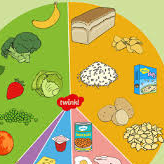
Planning what you eat each day is one of the most effective ways to support your body, mind, and lifestyle. Thoughtful food choices help you avoid last-minute unhealthy options, maintain steady energy levels, and build habits that last for years. When meals are planned in advance, nutrition becomes intentional rather than accidental, leading to better consistency and satisfaction.
A structured approach to food choices reduces stress, saves time, and makes it easier to meet your nutritional needs. Instead of relying on convenience foods, you can enjoy balanced meals that support digestion, immunity, and overall vitality. This is why Meal Planning Is Important For Healthy Eating, as it gives you control over ingredients, portions, and meal timing.
From a broader perspective, consistent meal planning plays a vital role in Health and wellness, as it connects daily nutrition with long-term physical and mental well-being. By planning balanced meals, you create a sustainable system that supports healthy eating patterns rather than short term dieting.
Understanding the Basics of Balanced Meal Planning
Balanced meal planning is not about restriction; it is about nourishment. It focuses on including a variety of food groups in appropriate portions to meet your body’s needs.What Makes a Meal Balanced?
A balanced meal typically includes:- Complex carbohydrates for sustained energy
- Lean proteins for muscle repair and satiety
- Healthy fats for brain and hormone function
- Vitamins, minerals, and fiber from fruits and vegetables
The Role of Portion Control
Portion control is a key element of balanced meal planning. Even nutritious foods can contribute to unwanted weight gain if consumed in excess. Planning portions in advance helps regulate calorie intake while still allowing flexibility and enjoyment.Benefits of Planning Balanced Meals Long Term
Meal planning is not just a short-term strategy; it is a lifestyle approach that supports long-lasting healthy eating habits.Improved Nutritional Consistency
When meals are planned, you are more likely to meet your daily nutrient requirements. This consistency supports energy levels, mood stability, and overall physical performance.Better Time and Budget Management
Planning meals ahead of time reduces grocery waste and unnecessary spending. You shop with purpose, avoid impulse purchases, and streamline cooking routines during busy weekdays.Reduced Reliance on Processed Foods
Having a plan in place makes it easier to avoid highly processed and fast foods. Home-prepared meals tend to be lower in excess salt, sugar, and unhealthy fats.How to Start Planning Balanced Meals
Getting started with meal planning does not have to be complicated. Simple steps can make the process manageable and enjoyable.Set Clear Nutrition Goals
Before planning meals, identify your goals. These may include improving energy, supporting weight management, enhancing digestion, or maintaining muscle strength. Clear goals help guide food choices.Create a Weekly Meal Framework
Rather than planning every detail, create a flexible weekly framework:- Breakfast options you rotate
- Simple lunches that are easy to prepare
- Dinners that include variety and comfort

 English
 Arabic
 French
 Spanish
 Portuguese
 Turkish
 Dutch
Dutch
 Italiano
 Russian
 Romaian
 Portuguese (Brazil)
 Greek
Greek